
Whitepapers
The latest capabilities of the Diagnostic OS
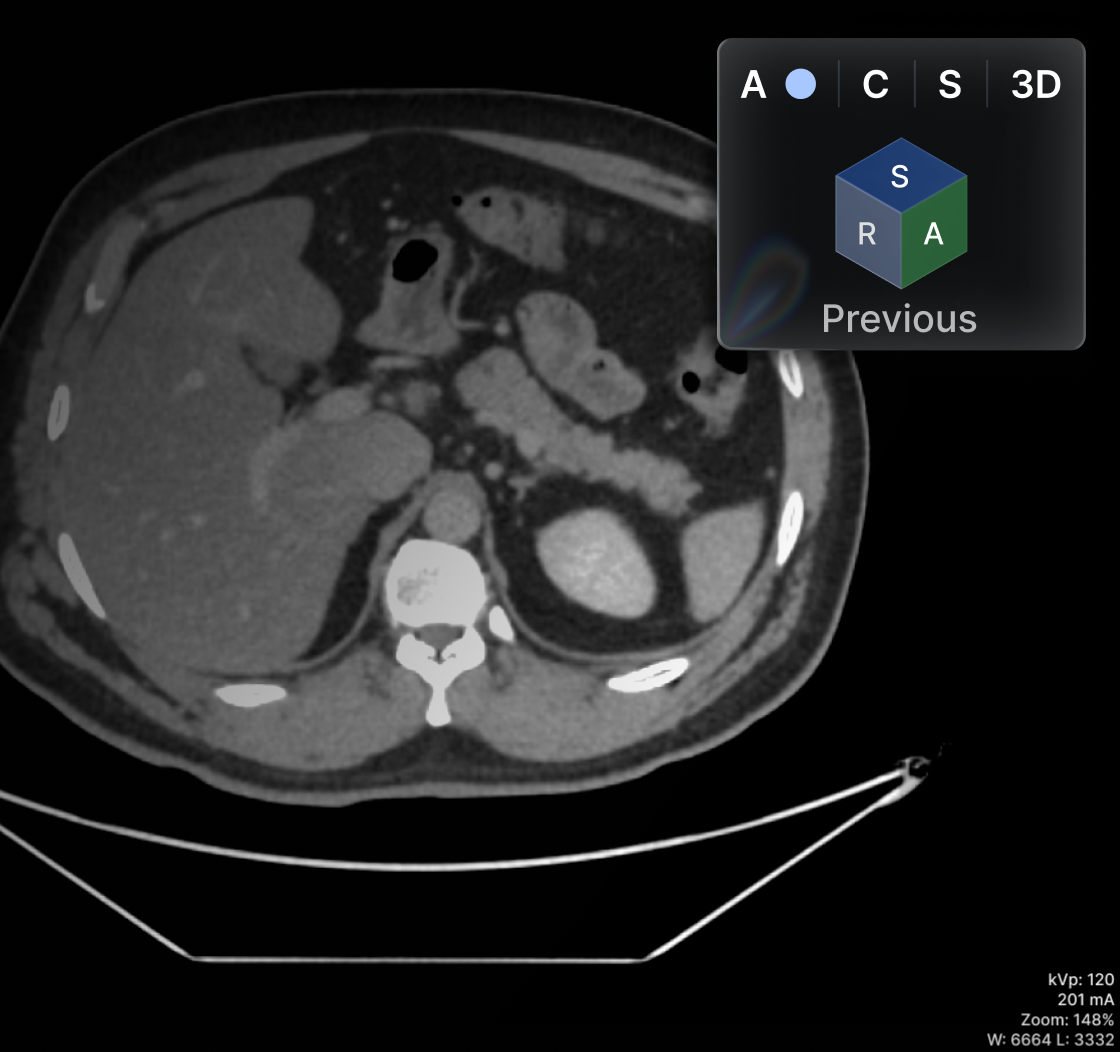
Oblique MPR in the main viewer (not only on the MPR viewer)


.png)
Browse all

Artificial Intelligence in Healthcare: Why Human-Centered Design Is Key to Success
We live in the era of digital transformation, in which technology is revolutionizing many sectors, including healthcare. Digital medicine and AI are two of the most important tools driving this transformation. We will explore their definition, their benefits, some statistics on their use, and how to build a digital medicine strategy. We will also look at some tips, the best digital medicine and AI platforms, digital medicine and AI courses, services, and human-centered Artificial Intelligence design.
What Is Digital Medicine and AI?
Digital medicine and artificial intelligence (AI) are two of the most important technologies in healthcare today. Digital medicine is a term used to describe the use of digital technologies to improve the delivery of medical services. This includes the use of software, hardware, and services to manage patient care, such as electronic health records (EHR), telemedicine, and remote patient monitoring.
AI, in turn, is a type of computing that allows machines to learn from data, identify patterns, and make decisions. AI is being used to automate many medical processes, such as diagnosis, treatment, and patient follow-up.
Benefits of Digital Medicine and AI
Digital medicine and AI have the potential to revolutionize healthcare. Some of the benefits they provide include:
- Improved patient care: Digital medicine and AI can help healthcare providers deliver better care to their patients by providing more accurate diagnoses and treatments. AI can also help identify potential health risks before they worsen, enabling early intervention.
- Cost savings: By automating many medical processes, digital medicine and AI can reduce costs by eliminating the need for labor, which in turn lowers the overall cost of healthcare.
- Greater access to care: Digital medicine and AI can help increase access to care by enabling healthcare providers to reach more patients. This reduces health disparities in underserved communities.
- Greater accuracy: Digital medicine and AI can help improve accuracy in diagnosis and treatment, which reduces medical errors and results in better patient outcomes.
-
Statistics on Digital Medicine and AI
Digital medicine and AI are becoming increasingly popular in healthcare. According to a recent PricewaterhouseCoopers survey, most healthcare providers already use, or plan to use, digital medicine and AI within the next three years.
In addition, the Global Market Insights report estimates that the digital medicine and AI market will reach $1.2 trillion by 2025.
Digital Medicine and AI Strategy
Creating a successful digital medicine and AI strategy requires a comprehensive approach. Here are some steps you can follow to build your digital medicine and AI strategy:
- Identify your goals: Identify the specific goals you want to achieve with digital medicine and AI to create a roadmap for success.
- Assess your needs: Analyze your organization's current state and the areas where digital medicine and AI can be most beneficial.
- Develop a plan: Create a comprehensive plan to implement digital medicine and AI that includes a timeline, a budget, and resources.
- Monitor and evaluate: Regularly track your progress to make sure you are achieving your goals.
-
Tips on Digital Medicine and AI
Here are some tips to help you get the most out of digital medicine and AI:
- Stay up to date: Make sure you keep up with the latest developments in digital medicine and AI to stay ahead of the competition.
- Set realistic goals: Set realistic goals for your digital medicine and AI plan to avoid feeling overwhelmed.
- Focus on the user: Focus on providing a user-friendly experience for your patients to ensure they get the most out of your digital services.
- Prioritize security: Make sure your digital medicine and AI services are secure and protect patient data to maintain a relationship of trust.
Digital Medicine and AI Services
There are many digital medicine and AI services available to help organizations get the most out of digital medicine and AI. Here are some of the leading digital medicine and AI services:
- EHR integration: EHR integration can help streamline the process of collecting and exchanging patient data.
- AI-based analytics: AI-based analytics can help healthcare professionals gain insights from data.
- Automated diagnosis: Automated diagnosis can help reduce medical errors and improve patient outcomes.
- Patient monitoring: Patient monitoring can help track a patient's health and provide early intervention when necessary.
Human-Centered AI Design
Human-centered AI design is an approach to AI that focuses on creating solutions tailored to people's needs, understanding user needs, and designing AI solutions that meet them. Human-centered AI design can help ensure that AI solutions are effective and used in ways that benefit people.
Revolutionizing Healthcare: The Power of Digital Medicine and AI
Digital medicine and AI are two of the most important technologies in healthcare today. They have the potential to revolutionize healthcare by improving patient care, reducing costs, increasing access to care, and improving accuracy. To get the most out of digital medicine and AI, organizations must build a comprehensive strategy and use the best digital medicine and AI platforms. In addition, they must prioritize human-centered AI design to ensure that AI solutions meet people's needs.

Medical Imaging and PACS Systems
It is increasingly common to find technology applied to medical science. This is a great asset for this sector, since the incorporation of new tools often represents an advance for patient health. Medical imaging is very important when it comes to diagnosis and prevention, as it can give healthcare providers evidence of what is happening inside the body and, therefore, enable timely treatment.
Now, having noted the advantages of having medical imaging available, it should be pointed out that carrying out the necessary processes in a timely manner can be a challenge. This is because clinics and hospitals often deal with a large volume of information as well as a large number of patients, which makes it highly advisable to use a PACS (Picture Archiving and Communication System). PACS systems provide valuable support in managing and distributing images, both internally and externally.
If we want to give a brief but illustrative definition of what a PACS system is, we would say that it is where a radiologist views and interprets studies digitally. PACS streamlines all processes involved with images through four subsystems:
Acquisition in a PACS System
The first step is to perform the study and obtain the images so that the physician can subsequently access them and carry out the procedures best suited to each case.
Accessibility of Medical Images
Once the study has been carried out, the images are ready for the physician to interpret.
Availability for Interpreting Radiological Images
Something fundamental to a PACS system is that its users have the flexibility to be located anywhere. It is no longer just a matter of staying at the medical center on duty; given the urgency with which some studies are performed, the radiologist must be able to interpret them from wherever they are.
Storage of Medical Images
As mentioned, a PACS system is a very convenient tool for keeping each patient's images and records organized. This not only makes it simpler to access a patient's history, but also makes it possible to compare studies of the same patient across different time periods. This helps ensure the most timely diagnosis.
As the reader may have already deduced, when all these digital resources are available, along with everything convenient about image management, costs are also saved on printing films or burning CDs. In addition, it increases the quality and interpretation of studies, and several physicians can even be involved in the same process at once.
Another key feature of a PACS system is its ease of use and intuitive design, meaning that users do not need expert-level technical skill to interpret the results.
Finally, clinics and hospitals that want to continue providing their patients with the best service must definitely learn about the available PACS system options and implement them. Would you like more information? Leave us your details and we will get in touch with you.

How Artificial Intelligence Can Help Predict and Manage Patient Flow
In this article, we discuss medical innovation and how it improves patient care. We discuss how, with the advent of artificial intelligence and machine learning, medical innovation is now more powerful than ever.
What Is Medical Innovation?
Medical innovation is the use of technology and data to improve patient care. It is the application of research- and data-driven solutions to better diagnose and treat diseases, injuries, and other medical conditions. Medical innovation is a constantly evolving field, as new technologies and data-driven solutions are continually being developed.
Medical innovation can result in new treatments, increase diagnostic accuracy, and improve patient outcomes. It can also be used to increase the efficiency of the healthcare system and reduce costs.
For example, machine learning algorithms can be used to identify patterns in patient data and reduce the time needed to diagnose a patient. In addition, medical imaging technology can be used to detect and diagnose diseases faster and more accurately than ever before.
Today, innovation is an important part of healthcare, and it is essential for providing the best possible care to patients. By harnessing the power of technology and data, medical innovation can help hospitals and healthcare providers deliver effective, efficient, and cost-effective care.
Benefits of Medical Innovation
Medical innovation offers many advantages for both medical professionals and patients. It helps reduce costs, improve diagnostic accuracy, and improve patient outcomes. It also helps healthcare providers stay up to date with the latest treatments, technologies, and data-driven solutions.
Thanks to medical innovation, healthcare providers can make better decisions about patient care and reduce the risk of medical errors. It also helps healthcare providers anticipate and address health problems before they worsen.
For example, AI-based machine learning algorithms can be used to detect patterns in patient data and alert physicians to potential health risks. This can help enable timely intervention and prevent more serious health problems.
Finally, medical innovation helps manage patient flow more effectively. By leveraging data-driven solutions, healthcare providers can predict and manage patient flow more efficiently, which helps reduce wait times and improve service satisfaction.
Examples of Medical Innovations
There are many medical innovations that can be used to improve patient care. These include:
- Artificial intelligence (AI) and machine learning algorithms: AI and machine learning algorithms can be used to process large volumes of patient data and identify patterns. This can help healthcare providers make better treatment decisions and reduce the risk of medical errors.
- Telemedicine: Telemedicine is the use of technology to deliver medical services remotely. This can help healthcare providers offer better care to patients, especially those living in rural areas or who have difficulty traveling to a healthcare facility.
- Electronic health records (EHR): Electronic health records are digital records of patient information that physicians can share. This can help provide better care by giving access to more complete patient histories.
- Medical imaging technology: Medical imaging technology, such as MRI, X-rays, and CT scans, can be used to diagnose diseases faster and more accurately than ever before.
- Wearable technology: Wearable technology, such as fitness trackers, can be used to monitor patients' health and provide healthcare providers with valuable data.
How to Use Medical Innovation to Predict and Manage Patient Flow
Medical innovation can be used to predict and manage patient flow more efficiently. Thanks to data-driven solutions, healthcare providers can better predict patient flow and prepare for potential surges. This can help reduce wait times and improve patient satisfaction.
Data-driven solutions can be used to analyze patient data, such as demographic information, medical history, and insurance information. By leveraging data-driven solutions, healthcare providers can adjust staffing levels and resources to meet patient needs.
Challenges of Patient Flow Forecasting
Predicting patient flow can be a challenge for healthcare providers. Data-driven solutions can help healthcare providers anticipate patient flow and make better decisions about staffing levels and resources. However, patient flow forecasting presents several challenges:
- Lack of data: To accurately predict patient flow, healthcare providers need access to complete patient data. However, not everyone has access to complete patient data. This can make it difficult to accurately forecast patient flow.
- Complexity: Patient flow is a complex process involving numerous variables. The complexity of the process can make it difficult to forecast flow accurately.
- Time: Forecasting patient flow can be time-consuming. Medical professionals must analyze patient data and develop strategies to optimize flow. This can require a considerable amount of time and resources.

Business Intelligence for Hospitals
In the healthcare industry, hospitals are a key piece in delivering health services to communities. Hospitals handle large volumes of data every day, from patient registration to billing and supply management. For this reason, business intelligence (BI) has become a vital tool for improving the efficiency and quality of healthcare services in hospitals.
Business intelligence is a set of technologies and tools that help organizations collect, analyze, and present data to make informed decisions. Hospitals can use business intelligence to collect real-time data and analyze it to gain valuable insights that will allow them to improve healthcare services, optimize internal processes, and reduce costs.
Benefits of Analyzing Data for Decision-Making
One of the main advantages of business intelligence for hospitals is the ability to analyze large volumes of patient data and gain a more detailed understanding of population health. Hospitals can analyze patient data and create detailed reports on disease prevalence, service utilization, and treatment outcomes. This allows hospitals to make informed decisions about how to improve the quality of healthcare and design disease prevention programs.
In addition, business intelligence can help hospitals optimize their internal processes. For example, it can help identify bottlenecks in the patient care process and enable hospitals to improve clinical workflows and increase efficiency. It can also help hospitals control costs, monitor inventory, and optimize resource utilization.
Another benefit of business intelligence for hospitals is the ability to analyze data in real time and make informed decisions immediately. This can be particularly useful in critical situations where fast, accurate decision-making can be crucial to patient health.
Support for Meeting Regulatory Requirements
Finally, business intelligence can also help hospitals meet regulatory requirements. Collecting and analyzing accurate, detailed data can help hospitals comply with reporting and audit requirements.
In summary, business intelligence is a valuable tool for hospitals seeking to improve the efficiency and quality of healthcare services. Data collected and analyzed through BI systems can provide valuable insights for informed decision-making and continuous improvement. Given the growing demand for high-quality, efficient healthcare, business intelligence is a viable solution for hospitals looking to improve their services and remain competitive in a constantly evolving market.

Medical Imaging: An Introduction to Diagnostic Imaging
Diagnostic imaging is a form of medical imaging that uses X-rays to produce images of the inside of the body. It is used to diagnose diseases and injuries and to monitor treatment progress. In this article, we will explore the basics of diagnostic imaging, including X-rays, how they are used for diagnosis, and the types of X-rays available. We will also discuss the benefits of diagnostic imaging, common conditions that can be detected with X-rays, preparing for diagnostic imaging, the X-ray process, and safety precautions for X-rays.
What Is Diagnostic Imaging?
Diagnostic imaging is a form of medical imaging that uses X-rays to produce images of the inside of the body. It is used to diagnose diseases and injuries and to monitor treatment progress. Diagnostic imaging can also be used to detect abnormalities in the body that may indicate a disease or disorder. Diagnostic imaging is often combined with other tests, such as blood or urine analysis, to obtain a complete picture of the patient's health.
The most common type of diagnostic imaging is X-ray radiography, which uses X-rays to create images of the inside of the body. X-rays are used to detect diseases and diagnose injuries, and can also be used to monitor treatment progress. Other types of diagnostic imaging include computed tomography (CT), magnetic resonance imaging (MRI), and ultrasound.
Understanding X-Rays
X-rays are images of the inside of the body created using X-ray radiation. X-rays are a form of radiation that passes through the body and, in doing so, interacts with tissue to produce an image. X-rays can penetrate solid objects, such as bone, and can be used to create images of internal organs.
X-rays are very useful for examining the bones and organs of the body. They can detect fractures, tumors, and other abnormalities. They can also be used to monitor treatment progress, for example to check whether a fracture is healing properly.
How X-Rays Are Used for Diagnosis
X-rays are used to diagnose diseases and injuries by looking for abnormalities in the body. X-rays can detect fractures, tumors, infections, and other conditions. They can also be used to track treatment progress and identify issues that may require further investigation.
X-rays are usually performed in combination with other tests, such as blood or urine analysis, to obtain a more complete picture of the patient's health. The physician will review the X-rays and compare them with the results of other tests to diagnose a disease or injury.
Types of X-Rays
X-rays can be used to create images of various parts of the body. The type of X-ray used will depend on the area of the body that needs to be examined. Common types of X-rays include chest X-rays, abdominal X-rays, and pelvic X-rays.
Chest X-rays are used to examine the chest, lungs, and heart. Abdominal X-rays are used to examine the abdomen and intestines. Pelvic X-rays are used to examine the pelvis and reproductive organs.
Other types of X-rays include skull X-rays and spinal X-rays, which are used to examine the skull and the spine. X-rays can also be used to examine the limbs, such as the arms and legs.
Benefits of Diagnostic Imaging
Diagnostic imaging is an important tool for diagnosing diseases and injuries and for monitoring treatment progress. It can detect abnormalities in the body that may indicate a disease or disorder, and can be used to detect fractures, tumors, and other conditions. Diagnostic imaging is non-invasive, meaning it does not require surgery or other procedures that can be risky or painful.
Diagnostic imaging is also less costly than other imaging tests, such as MRI or CT scans, and can provide a more detailed picture of the inside of the body. This can help physicians make a more accurate diagnosis and provide more effective treatment.
Common Conditions That Can Be Detected with X-Rays
X-rays can be used to detect a wide range of conditions, such as fractures, tumors, infections, and other diseases. They can also be used to detect bone abnormalities, such as bone spurs, and to check for the presence of foreign objects in the body.
X-rays can also be used to detect heart problems, such as blockages or enlargement, and can help diagnose lung diseases, such as pneumonia or tuberculosis. They can also be used to diagnose gastrointestinal tract conditions, such as diverticulitis or ulcers.
Preparing for Diagnostic Imaging
Before undergoing a diagnostic imaging test, it is important to prepare for the procedure. You should discuss with your physician any medications you are taking, since some medications may interfere with the accuracy of the test. You should also inform your physician of any allergies you may have, since some types of diagnostic imaging tests involve the use of contrast media.
It is also important to follow the instructions given by your physician before the test. This may include avoiding certain foods or drinks before the test, as well as wearing loose clothing and avoiding jewelry or other metal objects.
The X-Ray Process
When you arrive for your X-ray test, you will be asked to put on a hospital gown and remove any jewelry or metal objects. You will then be asked to lie on an X-ray table, and the radiographer will take X-rays of the area to be examined.
The X-rays will be sent to a computer, where the radiographer will review them and forward them to your physician. The images can be used to diagnose diseases and injuries and to monitor treatment progress.
Safety Precautions for X-Rays
X-ray radiography is a safe procedure, but it is important to take safety precautions. You should always inform your physician if you are pregnant, since X-rays can be harmful to a developing baby. You should also inform your physician if you have any metal implants, since this may interfere with the accuracy of the images.
It is important to follow all instructions given by your physician before the procedure, and you should always wear protective clothing, such as a lead apron, during the test.
Diagnostic Imaging: A Detailed Look Inside the Body
Diagnostic imaging is a form of medical imaging that uses X-rays to produce images of the inside of the body. It is used to diagnose diseases and injuries and to monitor treatment progress. X-rays are the most common type of diagnostic imaging and can be used to detect fractures, tumors, and other conditions. They can also be used to track treatment progress and identify issues that may require further investigation.
Diagnostic imaging is a safe, non-invasive procedure, and can provide a more detailed picture of the inside of the body than other imaging tests. It is important to prepare for the procedure and follow the physician's instructions, as well as take safety precautions, such as wearing protective clothing during the test.
Diagnostic imaging is an important tool for diagnosing diseases and injuries, and can help physicians provide more effective treatment. If you think you may need diagnostic imaging, talk to your physician to find out whether it is the right option for you.

Electromedicine: A Complete Guide to Electrocardiography
Are you interested in learning more about the field of electromedicine? Do you want to understand the fundamentals of electrocardiography? If so, you have come to the right place. This blog post will provide you with a complete guide to electrocardiography and its various uses.
What is electromedicine?
Electromedicine is a generic term that refers to the use of electricity and electrical devices in medical diagnosis and treatment. It includes a range of techniques and therapies such as electrotherapy, electrocardiography and electrophysiology.
The use of electricity in medicine is not a new concept. It has been used since the 19th century, when scientists began experimenting with applying electrical currents to the body. In the early 20th century, electrocardiography was developed to measure the electrical activity of the heart.
Today, electromedicine is used in a wide variety of medical applications, such as the diagnosis and treatment of cardiac conditions, epilepsy and cancer.
Benefits of electromedicine
The use of electromedicine has many advantages. It is a non-invasive technique that can provide detailed information about the patient's condition. It is also a cost-effective method of diagnosis and treatment.
Electromedicine is also safe. The electrical devices used in electrotherapy and electrocardiography are highly regulated and have been shown to be safe for use in a clinical setting.
Finally, electromedicine can be used to treat various conditions. It can be used to diagnose and treat cardiac conditions, epilepsy and even cancer.
Overview of electrocardiography
Electrocardiography, or ECG, is one of the most common applications of electromedicine. It is a diagnostic procedure used to measure the electrical activity of the heart.
An ECG is performed by placing electrodes on the patient's chest. These electrodes detect the electrical signals generated by the heart. These signals are then displayed on a monitor, and the physician can interpret the results.
The ECG provides important information about the patient's heart health, such as heart rate and rhythm, chamber size and position, and the presence of any abnormalities.
Types of electrocardiogram
There are several different types of electrocardiography. The most common type is the 12-lead ECG, which is used to measure the electrical activity of the heart at 12 different locations. Other types of ECG include the 24-lead ECG, Holter monitoring and stress tests.
Each type of ECG has its own advantages and disadvantages. For example, the 12-lead ECG provides the most detailed information, but it is also the most time-consuming. On the other hand, the 24-lead ECG is more efficient, but provides less detailed information.
Components and parts of electrocardiography
An ECG device consists of several components and parts. The main components are the electrodes, the ECG machine and the monitor.
The electrodes are placed on the patient's chest. They detect the electrical signals generated by the heart and transmit them to the ECG machine. The ECG machine amplifies the signals and displays them on the monitor.
The monitor is used to display the ECG results. It is usually a large screen or monitor that displays the electrical signals in graph form.
Clinical uses of electrocardiography
The ECG is used in various clinical settings. It is commonly used to diagnose and monitor cardiac arrhythmias, heart attacks and other cardiac conditions. It can also be used to evaluate the effectiveness of certain treatments.
In addition, the ECG is used to detect certain conditions, such as long QT syndrome and Wolff-Parkinson-White syndrome. It is also used to monitor the progression of certain conditions, such as congestive heart failure and hypertension.
Safety and precautions in the use of electrocardiography
The use of electrocardiography is generally safe. However, there are certain safety precautions that must be taken to ensure patient safety and the accuracy of results.
For example, electrodes must be correctly placed and secured on the patient's chest. The ECG machine must also be properly calibrated before use. Finally, the patient must be monitored for any signs of discomfort or distress.
The future of electrocardiography
The future of electrocardiography is promising. Technological advances are enabling more precise and accurate results. In addition, new techniques, such as artificial intelligence, are being used to interpret ECG test results.
The use of ECG is also expected to expand in the coming years. For example, it is being used to monitor the health of athletes and to diagnose and manage certain conditions, such as sleep apnea.
Electrocardiography and Electrotherapy: Key Tools for Heart Health and Pain Management
Electrocardiography is an important tool in the field of electromedicine. It is a non-invasive and cost-effective technique for measuring the electrical activity of the heart. It can provide important information about the patient's cardiac health and be used to diagnose and monitor various conditions.
In addition, electrotherapy is a safe and effective technique for treating chronic pain and muscle tension.
We hope this blog post has provided you with a complete guide to electrocardiography and its various uses. If you have any questions or would like more information, please do not hesitate to contact us.

6 Ways Telehealth Is Transforming Healthcare
Telehealth has been transforming the healthcare sector for a couple of decades. With the arrival of the pandemic, telehealth services have become even more essential for providing the best care to patients.
What is telehealth?
Telehealth is the use of digital information and communication technologies to deliver and support healthcare services remotely. It is also known as telemedicine, e-health or virtual healthcare. It can include phone calls, video conferencing, online chats, email and remote patient monitoring. Telehealth allows providers and patients to connect remotely, improving access to care and reducing the need for in-person visits.
Some of the advantages of telehealth include greater access to care, greater convenience and lower costs. Telehealth also offers the opportunity to provide specialized care in remote locations and to those who cannot travel easily.
Advantages of telehealth
One of the main advantages of telehealth is that it provides greater access to care. With telehealth, patients can connect with medical professionals from the comfort of their own home. This can be especially beneficial for those who do not have access to traditional healthcare services due to distance, mobility or language barriers.
Telehealth also improves convenience. Patients can contact their healthcare provider on their own schedule. This can eliminate the need to take time off work or other commitments to attend in-person appointments.
In addition, telehealth can reduce costs. By eliminating the need for travel and in-person visits, it reduces the cost of care for both patients and providers.
Types of telehealth services
Telehealth services can vary depending on the needs of the patient and the provider. The most common are telemedicine, teleconsultations, remote patient monitoring and remote patient education.
Teleconsultations are consultations that take place virtually. This type of service is especially beneficial for patients who cannot travel to a healthcare facility.
Remote patient monitoring uses technology to track and monitor a patient's health remotely. It includes devices such as blood pressure monitors, glucose monitors and heart rate monitors.
Finally, remote patient education includes the use of digital resources such as videos, webinars and interactive programs.
Telehealth statistics
Telehealth services have become increasingly popular in recent years. The number of telehealth visits increased from 0.1% of all visits in 2019 to 20% of all visits in 2020. The same survey found that most telehealth visits were for primary care (45.2%), mental health (24.7%) and specialty care (17.2%).
In addition, a recent survey of providers found that 79% of them believe telehealth visits are as effective as in-person visits, and 82% of providers said they plan to continue offering telehealth services after the pandemic.
How telehealth is transforming healthcare
Telehealth can reduce the burden on healthcare systems. Patients can receive care without having to go to the doctor's office or hospital, which reduces the pressure on providers and healthcare facilities, allowing them to focus on more complex cases.
Examples of telehealth transforming medical services
- Online physicians: Physicians offer virtual consultations and can treat a variety of ailments, which is especially beneficial for those who do not have access to traditional healthcare services.
- Remote diagnosis: Allows healthcare professionals to diagnose and monitor patients remotely, including remote monitoring of vital signs, laboratory tests and medical imaging.
- Telepsychiatry: Allows psychiatrists to treat patients who cannot access mental health services due to distance or other barriers.
- Telemedicine applications: Allow patients to connect with healthcare professionals from their phones, facilitating access to care for those who cannot access traditional healthcare services.
- Teleconsultation services: Allow physicians to consult with specialists remotely.
- Telehealth technology: Technologies such as remote patient monitoring and remote diagnosis help healthcare professionals provide more accurate diagnoses and better care.
Telehealth technology and regulations
Telehealth technology is evolving rapidly and is becoming increasingly regulated. In the United States, the Office of the National Coordinator for Health Information Technology (ONC) has created the Health IT Certification Program. This program establishes standards for the use of health IT and sets guidelines for the development and use of secure health IT.
In addition, the Centers for Medicare and Medicaid Services (CMS) have created the Telemedicine Provider Payment Program. This program allows Medicare and Medicaid beneficiaries to receive care from healthcare providers through telemedicine services.
Teleconsultation services
Teleconsultation services are becoming increasingly popular as a way to connect patients with specialists remotely across various fields, such as cardiology, endocrinology, oncology and mental health.
The evolution of telehealth: how technology is revolutionizing the way we access healthcare
Telehealth technology is evolving rapidly and is becoming increasingly regulated. The Office of the National Coordinator for Health Information Technology (ONC) and the Centers for Medicare and Medicaid Services (CMS) have established standards and programs for the use of telehealth services.
Finally, teleconsultation services are becoming increasingly popular as a way to connect patients with specialists remotely. These services can facilitate access to healthcare for those who cannot travel to see a specialist due to distance or other barriers.
Telehealth is transforming healthcare from home to phone. With greater access to care, more convenience and lower costs, telehealth is revolutionizing the way healthcare is delivered.
If you are looking for a way to access quality healthcare from the comfort of your home, telehealth services may be the right option for you. Contact your healthcare provider to learn more about the telehealth services they offer.

Business Intelligence for Physicians
Business intelligence (BI) is a technique used in business management to collect, analyze and present data to facilitate decision-making. In recent years, the use of business intelligence in the medical field has increased, and many physicians have discovered the benefits of implementing BI solutions in their practices. In this article, we will look at how business intelligence can be useful for physicians.
- Financial data analysis: Business intelligence can be used by physicians to analyze the financial data of their practices, including revenue and expenses. This allows them to optimize their billing strategies and identify areas for improvement in their practice.
- Practice performance tracking: Business intelligence can also be used to track the performance of a medical practice by evaluating the efficiency of its processes and identifying areas for improvement.
- Patient data analysis: Business intelligence can be used to analyze patient data, such as medical histories, treatments and outcomes. This helps improve patient care and make more informed decisions about their healthcare.
- Pattern identification: Business intelligence can be used to identify patterns in patient data, which can help physicians spot potential health problems and prevent disease.
- Care quality monitoring: Business intelligence can be used to monitor the quality of the healthcare provided to patients. With this information, physicians can improve care quality and identify improvements in their practice.
- Growth opportunity identification: Business intelligence can be used to identify growth opportunities. Physicians can expand their practices or offer new services.
- Market trend identification: Business intelligence enables physicians to use information to make informed decisions about managing their practice and to stay current with the latest trends and advances in healthcare.
How business intelligence is transforming healthcare: informed decision-making and improvements in care quality
Business intelligence is a valuable tool for physicians. It can be used to analyze financial, patient and practice performance data, as well as to identify patterns, growth opportunities and market trends. By using business intelligence, physicians can make more informed decisions and improve the quality of the healthcare they provide to their patients.
.avif)
The Hospital of the Future Is a Cloud Network
Technology has revolutionized the way we interact with the world around us. In particular, it has transformed the way we receive healthcare. The hospital of the future will no longer be a physical building, but a cloud network connecting patients with medical professionals around the world.
The idea of a hospital in the cloud is not new. For years, healthcare providers have been using information technology to connect with patients and provide care online. However, the COVID-19 pandemic has accelerated this trend and demonstrated that online healthcare is viable and effective.
The evolution of hospitals
The hospital of the future will not only be an online healthcare network, but will also make use of emerging technologies such as artificial intelligence (AI), augmented reality (AR) and virtual reality (VR). AI can help diagnose diseases and develop personalized treatment plans, while AR and VR can help medical professionals better visualize the human body and perform surgical procedures more precisely.
In addition, the hospital network of the future will also be more inclusive and accessible. Online healthcare can overcome geographic and economic barriers, meaning more people will have access to quality healthcare regardless of where they live or how much money they have.
Challenges facing the hospitals of the future
Of course, there are still challenges and obstacles that must be addressed before a cloud hospital can be implemented on a large scale. The privacy and security of medical data are a major concern, and strict measures will be needed to ensure patient information is protected. Training will also be needed so that medical professionals can adapt to new technologies and provide online healthcare effectively.
In conclusion, the hospital of the future will be a cloud network that uses emerging technologies to provide more accessible, inclusive and personalized healthcare. While there are still challenges to overcome, technological progress is leading us toward a future in which healthcare is available to everyone, at any time and in any place.
New Position Indicators in Breast Tomosynthesis
What they are
Two lightweight on-screen components for breast tomosynthesis (DBT) reading: a clock indicator and a depth bar. Both render directly within the image viewport and are linked to the projection currently being displayed (for example, RCC, RMLO). They only appear when the viewport has sufficient space and are automatically hidden in compact layouts or on small screens so as not to overlap the image.
What they do
The clock indicator shows the radial orientation of the projection on screen using the clock-face convention that radiologists already apply to localize findings. It maps the on-screen image to the familiar 12, 3, 6, and 9 o'clock reference frame.
The depth bar indicates the position of the current slice within the reconstructed volume and marks the specific slices that contain measurements potentially associated with a finding, allowing the radiologist to see at a glance where the measured regions of interest are located along the depth axis.
Its value and specific use in the clinical context
Tomosynthesis reading involves scrolling through dozens of slices reconstructed per projection, and a recurring point of friction is spatial disorientation: knowing where in the breast and at what depth a finding is located, and translating that into the language of the report. These components close that gap. The clock indicator keeps the radiologist anchored to the same coordinate language used in the final report, reducing the mental translation between what appears on screen and how the finding will be documented. The depth bar turns slice navigation from blind scrolling into directed navigation: slices with measurements are already pre-marked, so the radiologist can jump directly to candidate findings and confirm their depth instead of reviewing the entire stack.
How it affects the physician's workflow
The components are passive and ambient. They require no clicks and add no steps. The radiologist reads as usual, but with continuous orientation and depth context in peripheral vision, and with measured slices already flagged on the depth bar for quick navigation. Since they automatically hide in layouts with limited space, they never compete with the image or force a layout change. Net effect: the radiologist spends less time reorienting and locating measured regions, and more time interpreting, with localization that already matches reporting conventions.
Have you tried it yet? If you have any questions, our team of experts is ready to help you through the Eden PACS support chat, or by email at soporte@edenmed.com
No papers match your search.