
Whitepapers
The latest capabilities of the Diagnostic OS
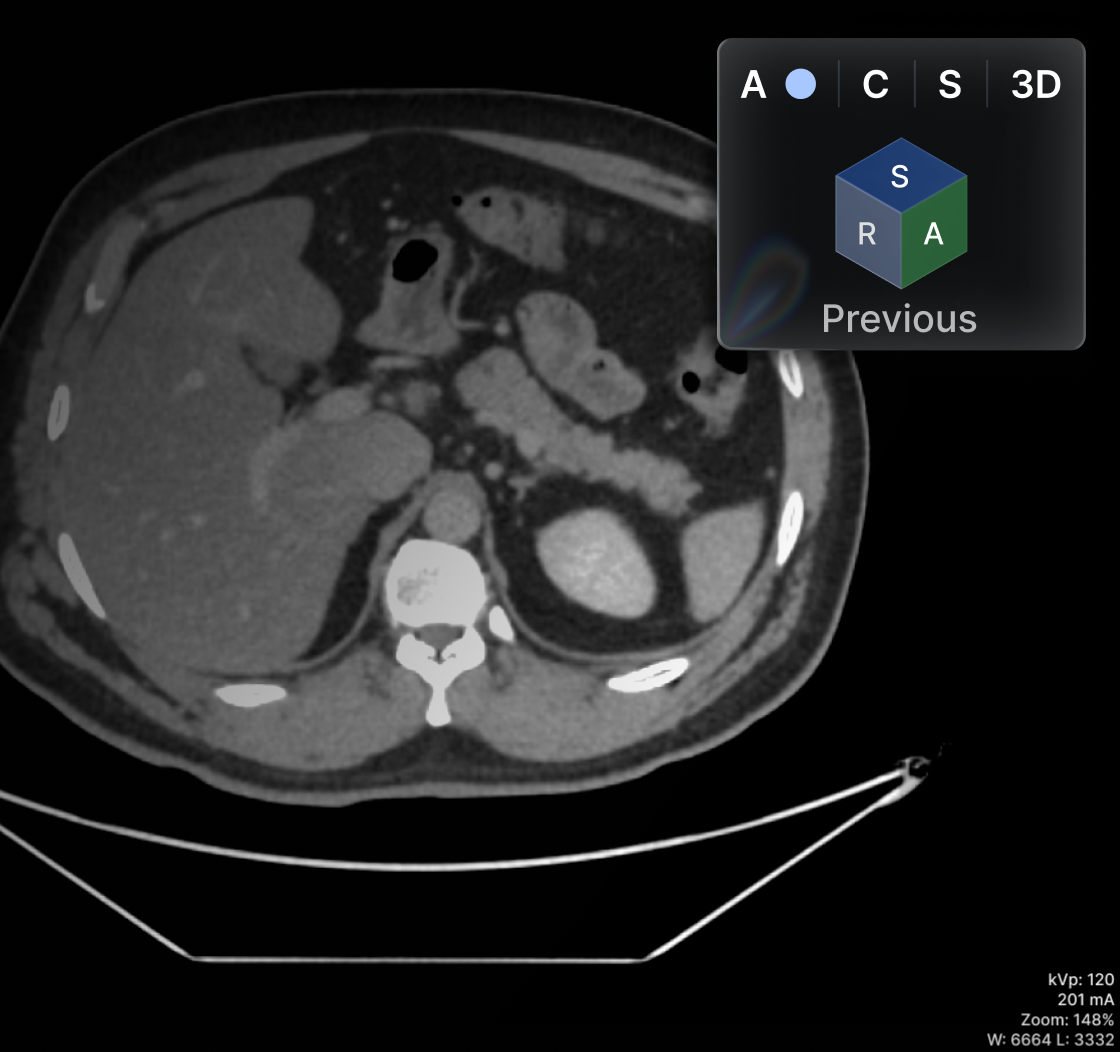
Oblique MPR in the main viewer (not only on the MPR viewer)

.png)
Browse all

Medical Documentation in Health Processes: What It Is and Why It Matters
Healthcare providers document patient care in various ways. Some use paper records while others have switched to digital systems. Regardless of the method used, providers must document the details of their interactions with patients in a way that is useful and accessible. This article focuses on medical documentation, identifying what it is, why it matters, and best practices for creating documentation that is useful for future reference.
Working as a healthcare provider requires frequent contact with patients. Keeping up with notes on each patient can be a challenge. If not done properly, these notes can be difficult to find later or may not provide enough detail about the interaction between the provider and the patient. When done correctly, medical documentation serves several purposes:
Readers of this article will learn what medical documentation is, why it matters, the different types of documents used to record patient information across various healthcare settings, examples of specific documents used by different healthcare professionals and practitioners, tips for creating effective and accessible documentation regardless of whether a paper or digital system is used, and common mistakes to avoid when documenting patient interactions.
What is medical documentation?
Medical documentation is the written record, or notes, of a healthcare provider's assessment, diagnosis, and care plan for a patient. Documentation is usually recorded on paper or in digital format, such as an electronic health record (EHR) or a medical transcription service. In the medical field, documentation is an essential part of the healthcare delivery process, as it records the patient's history, the conversations between patient and provider, and the patient's current health status. Accurate and complete documentation is important for many reasons. It provides a trail of the healthcare services provided to each patient (which is beneficial for billing and record reviews), helps ensure that each patient receives the best possible care (for example, by providing consistency among providers and across different settings), and allows providers to communicate accurately and efficiently with other healthcare professionals. The goal of documentation is to accurately reflect what happened during the encounter between the provider and the patient. The information contained in the documentation is essential for the delivery of care, including the diagnosis, the treatment plan, and the instructions given to the patient.
Why is healthcare documentation important?
Healthcare documentation is important because it provides a record of the patient's care, treatment, and progress. It also records discussions between the provider and the patient, and can be used to assist in future care or decision-making. For example, documentation can help inform treatment decisions when a provider is out of town or unavailable to decide on a course of action. When documentation is complete and reflects the patient's current status, it is easier to make decisions about future care. Documentation is also used for billing purposes.
Types of healthcare documentation
There are three main types of healthcare documentation: narrative, descriptive, and instructive. Narrative documentation is a description of the encounter between the provider and the patient. It is written in paragraph form and is not intended to be used as a reference tool later on. This type of documentation is useful for recording the patient's account of their illness and history, as well as for communicating with them. Descriptive documentation is a summary of the encounter between the provider and the patient, but it also includes the patient's account of their illness and history. Descriptive documentation also includes a list of medical findings, or the assessment. This type of documentation is intended to be used as a reference tool. For example, a provider may use descriptive documentation to note the findings of the patient's examination, laboratory test results, and medications. Instructive documentation is a written or typed summary of the provider's instructions to the patient. It is written in a way that is easy to understand and follow, and is often written in "plain language" to ensure patients understand the instructions. This type of documentation is only applicable to certain healthcare settings, such as outpatient clinics.
Electronic Medical Records (EMR) and Electronic Health Records (EHR)
An electronic medical record (EMR) is a computerized database that contains each patient's medical history, as well as the details of each encounter between a provider and a patient. An EMR can include a variety of documentation types, including narrative, descriptive, and instructive. An EMR can facilitate communication among providers, patients, and other stakeholders, such as researchers, by making information easier to obtain. An electronic health record (EHR) is the same as an EMR, except that the data is typically stored on a central computer server, rather than on a computer at each provider's location.
Laboratory and diagnostic test records
Laboratory and diagnostic test results are frequently recorded in a medical record. These results are often recorded in narrative format as a brief description of the findings (for example, "The patient's blood pressure is 130/80") or in table format. A table format may include the patient's name, the name of the test, and the result.
Medical imaging records
Medical imaging records document the findings of a patient's imaging studies, such as X-rays, MRIs, CT scans, and ultrasounds. Results are usually recorded in narrative format, but they can also be recorded in table format.
Medication prescription records
Medication prescription records document the medications prescribed to patients. This documentation can be recorded in narrative or table format.
Summary
Now that the article has been explored, it is time to summarize the key points to ensure the reader is equipped with a solid understanding of the content. This section is intended as a quick reference guide to help you navigate the article and conveniently reference the key ideas.
Medical documentation is the written record of a healthcare provider's assessment and care plan for a patient. Documentation is important for many reasons, including providing a history of the patient's care, helping ensure that the best possible care is provided, and allowing providers to communicate accurately with other healthcare professionals. There are three main types of healthcare documentation: narrative, descriptive, and instructive. An EMR is a computerized database that contains each patient's health history, as well as the details of each encounter between a provider and a patient. An EHR is the same as an EMR, except that the data is typically stored on a central computer server.

The First X-Ray and What It Means for the World
In 1895, Wilhelm Roentgen was busy conducting experiments. The German physicist kept trying to find new ways to see inside things. At first, he thought he had found a new way to detect fluorescent chemical substances on a person's skin. Then, he realized there was something more. In one of his experiments, Roentgen illuminated his test subject and recorded the light that reached him. He noticed some very strange readings coming from the test subject's hand. In another room there were instruments that created an artificial fog by heating nitric acid vapors. When the heaters were turned off, the vapors cooled and condensed back into liquid, but only when windows or doors were left open to let in fresh air. On the other hand, when the doors and windows were closed, the vapors condensed and remained invisible until they were opened again. Roentgen had just discovered what we now call "fluid condensation," that is, when vapor turns directly into liquid without first passing through an intermediate gaseous phase. Through other experiments with fluorescence and glass tubes filled with various chemicals and liquids, he also discovered that this strange phenomenon was caused by invisible rays emitted by these substances as they were heated or cooled, rays that could also pass through solid objects such as hands or glass apparatus without being blocked at all! This led him to place different substances under X-ray light (the name given to these dark-colored rays
X-rays are born
The discovery of X-rays completely changed our understanding of the world. We now know that X-rays are electromagnetic radiation, just like light, but with shorter wavelengths and higher energy. They pass through our body and reveal our skeleton, and they also penetrate some materials such as plastics. X-rays are used for medical imaging, industrial inspection, and security screening. They can even be used in forensic investigations, since they leave no marks on human skin. X-rays were discovered in the late nineteenth century. The term "X-rays" first appeared in print in 1896; "Röntgen ray" had been coined a few weeks earlier. Both terms were inspired by the Greek word "ρργξις" (röntgenis), meaning "radiation," because X-rays are a form of electromagnetic radiation.
What do X-rays reveal?
X-rays show the different densities (amount of matter) within our body. Bones are very dense, so they appear white on an X-ray image, while air is very light, so it appears black. This is useful in the field of medical imaging, as it helps physicians detect broken bones, infections, foreign objects, and tumors. X-rays are also useful in industrial inspection, since they reveal cracks in metal structures or the inside of machines, and they can be used for security screening, since they can show weapons concealed on the human body. This is why the use of X-ray scanners is so common in airport security.
X-ray safety
X-rays are a form of ionizing radiation, so they are harmful to human health regardless of the amount to which we are exposed. However, they can be used safely as long as they are applied in the appropriate amounts, with the right equipment, and by trained personnel. Safe doses are generally determined by the International Commission on Radiological Protection (ICRP), and they are updated with new research findings. However, these doses depend on the type of X-ray, the equipment used, and the type of image. When choosing X-ray equipment and setting the dose, the operator must take into account the type of image, the patient's size, how long the X-ray is needed, and the patient's age.
The future of X-ray technology
New research is studying magnetic X-rays, which could be switched off at will, unlike X-rays as we know them. Other scientists are working on visible X-rays, which would allow real-time imaging. They are also studying the possibility of generating X-rays using sound. X-ray technology also has great potential for security. For example, an X-ray scanner that can see through walls could be a game changer in hostage situations or other critical, time-sensitive scenarios. Research is also underway into X-ray communication, which could allow us to send digital information remotely using X-rays.
X-rays have become an essential part of modern life. Although we are aware of their dangers, many people still want to know everything possible about these fascinating rays. Through this article, you can discover how Wilhelm Röntgen discovered X-rays, what they reveal, how they affect our health, and what the future of X-ray technology looks like.

Standards for Hospital Certification: A Guide to Quality Hospital Care
Mindful healthcare certification reduces the risk of losing patients, improves the patient and employee experience, builds trust among new prospective clients, and lowers operating costs by reducing expenses related to internal audits. Certification also makes you and your organization more attractive to prospective clients. It is an external validation that confirms the quality of your services. Prospective clients will see it as a sign of trustworthiness and will be more likely to purchase your services. In this article, you will learn the main advantages of achieving national certification standards for your practice, as well as information on how to get certified without spending a fortune.
What is healthcare certification?
Certification, in the medical sector, is the process of evaluating a company's hygiene, health, and safety standards. The goal is to ensure that the services provided by the organization meet the required quality standards. In the United States, this process is voluntary, but in other parts of the world it is considered mandatory. The same applies to countries and states within the U.S., where there may be state laws regulating the healthcare sector in a particular way. For this reason, it is important to know the standards your sector follows and whether certification requirements exist.
Why is healthcare certification important?
The healthcare sector is extremely sensitive, which is why hygiene and safety are essential. Poor sanitary conditions can lead to all kinds of illnesses, from the common cold to very serious diseases such as hepatitis B or C. If your healthcare organization does not meet national certification standards, patients could contract an illness that could lead to serious complications, even death. This will definitively put you out of business. In addition, lack of certification will cause a loss of patients, a reduction in sales, and, of course, a negative impact on your reputation. Patients who experience poor service will not return. They are more likely to warn others about your business, which can even cost you a new prospective client.
Types of healthcare certification
There are many certifications you can obtain. One of the most important is ISO certification, which is a voluntary standard. ISO stands for International Organization for Standardization, and ISO certification is carried out by an auditor who will visit your organization and review your practices. ISO is becoming increasingly popular in the healthcare sector and is even more than a certification. It is a standard of good practice that has been adopted by many sectors, including the medical field. HACCP certification is another very important healthcare certification. It stands for Hazard Analysis and Critical Control Points and is a food safety management system that ensures your organization meets the requirements of Standard Operating Procedures (SOPs) and Code Adherence.
3 benefits of meeting national certification standards
Achieving certification will increase patient confidence. Prospective buyers will see it as a sign that you are trustworthy. They will be more likely to purchase your services because they feel confident that their health and safety are guaranteed.
- Certification will reduce internal costs. You will not need to perform as many internal audits or comply with internal standards. You will have less work to do.
- You will save money on insurance premiums. Some insurance companies will lower premiums if you are certified. This is because they know you are running your business properly and complying with the required standards.
- You will be more attractive to prospective clients. Achieving certification will make you more competitive among other providers of similar services. It can also help you find more clients, because more people will trust your business.
2 things you should know before getting certified
- Certification can help you earn more money. If you are interested in getting certified, you should do so now. Demand is likely to increase in the future, making it harder to obtain certification.
- You don't need a ton of money to get certified. Some people believe that certification is a very expensive process, but this is not true. You just need to find the right company and a healthcare manager to help you obtain certification.
How to obtain national healthcare certification
The first thing you should do is find a healthcare manager who can help you obtain certification. This person can also give you advice on how to prepare for certification.
- Identify the standards you must meet. Once you have found the right healthcare manager, they will help you identify the standards you must meet.
- Choose a company that can help you obtain certification. You need to choose the company that best fits your business. If you have a small business, you can look for a company that offers certification at a lower price.
- Prepare for the audit. Once your company has completed the certification process, an auditor will visit your organization to make sure everything is in compliance with the certification.

What Does a Radiological Innovation Laboratory Do
Cloud storage is a modern way of storing data that offers many advantages over traditional storage. This technology allows users to access their data from any location and device, with an internet connection. This is achieved by storing data on a network of servers, rather than on a local computer. Cloud storage also allows users to easily share data with other users and collaborate on projects online.
In addition, cloud storage offers the ability to scale storage as needed. This means users can increase or decrease storage space as needed, without having to change their computing equipment. This is especially useful for radiological innovation laboratories, which may need to increase storage space to run tests and experiments.
Cloud storage services are offered through a variety of providers, such as Google Drive, Dropbox, Microsoft Azure and Amazon Web Services. These providers offer different storage plans, prices and features, so users can choose the one that best fits their needs. In addition, most providers offer a free trial so users can test the service before purchasing a plan.
Advantages of Storing Information in the Cloud for a Radiology Laboratory
Radiological innovation laboratories, which typically focus on researching and developing new technologies, can benefit enormously from cloud storage. This is because cloud storage offers a variety of advantages over traditional storage.
First, cloud storage is much more scalable than traditional storage. This means users can increase or decrease storage space as needed, without having to purchase new computing equipment. This is especially useful for radiological innovation laboratories, which need a large amount of storage space to run tests and experiments.
In addition, cloud storage offers a platform for sharing and collaborating with other users. This means users can easily share files and data with other users, without having to send email attachments. This is especially useful for radiological innovation laboratories, which often need to share data with other researchers and collaborators.
In addition, cloud storage offers a convenient way to access data from anywhere. This means users can access their data from any location with an internet connection. This is especially useful for radiological innovation laboratories, which need to access their data anytime, anywhere.
Finally, cloud storage offers a secure way to store data. This means that data stored in the cloud is protected against loss, theft and destruction. This is especially useful for radiological innovation laboratories, which need to store confidential and secure data.
Advantages of Cloud Storage Compared to Traditional Storage
In addition to the cloud storage advantages mentioned above, cloud storage also offers some advantages over traditional storage. First, cloud storage does not require a large initial investment to purchase computing and storage equipment. This means radiological innovation laboratories can start using cloud storage without having to make a large investment.
In addition, cloud storage is more secure than traditional storage. This is because data stored in the cloud is protected by a variety of security measures, such as encryption, two-factor authentication and multi-factor authentication. This means that data stored in the cloud is safe from loss, theft and destruction.
In addition, cloud storage offers greater ease of use than traditional storage. This is because users can access their data from any location with an internet connection. This means users do not have to be physically present to access their data, allowing them to work from anywhere.
Finally, cloud storage gives users greater control over their data. This is because users can choose the level of security and privacy they want for their data stored in the cloud. This means users can choose the level of security and privacy they want for their data stored in the cloud.
Cloud Security and Privacy Policies
In addition to the cloud storage advantages mentioned above, users must also consider the security and privacy of their data stored in the cloud. This is because data stored in the cloud is subject to a number of threats, such as data theft, unauthorized access and data destruction.
To protect data stored in the cloud, users must ensure they are using a secure cloud storage provider. This means users should look for a cloud storage provider that offers state-of-the-art security and privacy. Cloud storage providers typically offer different levels of security, from data encryption to two-factor authentication and multi-factor authentication.
In addition, users must also ensure that their data is protected by law. This means users must ensure that their data is protected by local laws and regulations, such as the Personal Data Protection Act. This means users must ensure that their data is protected by local laws and regulations, such as the Personal Data Protection Act.
Use Cases for Cloud Storage in the Radiology Sector
Cloud storage is especially useful for radiological innovation laboratories, which can use the cloud to perform a variety of tasks. For example, radiological innovation laboratories can use cloud storage to store and share data with other users. This means users can easily share files and data with other users, without having to send email attachments.
In addition, radiological innovation laboratories can also use cloud storage to run tests and experiments. This means users can store and access their data from anywhere with an internet connection. This is especially useful for radiological innovation laboratories, which need to access their data anytime, anywhere.
In addition, radiological innovation laboratories can also use cloud storage to perform data analysis. This means users can store and analyze large amounts of data without having to make a large investment in computing equipment. This is especially useful for radiological innovation laboratories, which need to analyze large amounts of data to run tests and experiments.
Finally, radiological innovation laboratories can also use cloud storage to share results with other users. This means users can easily share test and experiment results with other users, without having to send results by email. This is especially useful for radiological innovation laboratories, which need to share results with other researchers and collaborators.

Investing in a Radiology Laboratory: Benefits and Challenges
Investing in a radiology laboratory can be an excellent way to expand your medical business, as well as provide a valuable service to your community. Radiology laboratories are an essential part of healthcare, as they provide diagnostic images to help physicians and other healthcare professionals diagnose and treat diseases. However, investing in this type of laboratory is not without its difficulties. Before taking the leap, it is important to consider the costs, the necessary infrastructure and the regulatory hurdles involved in this type of business. It is also important to understand the potential benefits of having a radiology laboratory, such as increased patient care and improved outcomes, as well as the financial benefits that such an investment brings. Taking the time to learn the pros and cons of investing in a radiology laboratory can help you make an informed decision about whether or not to take the step.
Introduction to Investing in Radiology
A radiology laboratory is an essential part of healthcare. It provides diagnostic images to help physicians and other healthcare professionals diagnose and treat diseases. Before taking the leap, it is important to consider the costs, the necessary infrastructure and the regulatory hurdles involved in this type of business. It is also important to understand the potential benefits of owning a radiology laboratory, such as increased patient care and improved outcomes, as well as the financial benefits of such an investment. Taking the time to learn the pros and cons of investing in a radiology laboratory can help you make an informed decision about whether or not to take the step.
Cost of Investing in a Radiology Laboratory
Having a radiology laboratory can be an excellent way to expand your medical business, as well as provide a valuable service to your community. However, this type of investment is not cheap. From the cost of equipment, such as X-ray machines and CT scanners, to the cost of construction and the staff needed to run the laboratory, investing in a radiology laboratory will cost you. The latest statistics show that the average cost of investing in a new radiology laboratory is around 2.5 million dollars. This is a considerable investment, and it is important to have a solid financial plan before beginning to invest in this type of business.
Infrastructure Required for a Radiology Laboratory
In addition to the monetary investment, there are other important factors to consider when deciding whether or not to invest in a radiology laboratory. For example, you will need to think about the amount of space you will need for your business. The recommended space for a new radiology laboratory is around 2,100 square feet. This includes space for equipment, an examination room and a break room for your staff. You will also need electricity and natural gas to power the equipment, as well as water and sewer connections to clean the equipment after use. In addition, you will need a plan to get your equipment approved by the government regulatory body. You will also need to find a place to store the equipment when it is not in use.
Regulatory Barriers to Establishing a Radiology Laboratory
When you invest in a radiology laboratory, you will need to make sure your equipment is approved by the relevant government regulatory body. In the United States, this is the Food and Drug Administration. In Canada, it is the Ministry of Health. In many other countries, the equivalent body is the Ministry of Health. The process of obtaining the necessary approvals can be long and requires additional work on your part. You will need to make sure you meet the regulatory requirements needed to obtain the license and operate. This includes ensuring that your equipment is properly cleaned and maintained, that your equipment is stored in an approved location, and that your staff is properly trained and certified to use your equipment. You will also need to have a business plan and a financial plan before starting the process of obtaining regulatory authorization.
Benefits of Investing in a Radiology Laboratory
Owning a radiology laboratory has many advantages. In addition to the obvious financial benefits of owning a successful business, you are also likely to see a positive impact on patient care and outcomes as a result of having a laboratory nearby. When a laboratory is close to a hospital, physicians and other healthcare professionals can send their patients to the laboratory to get diagnostic images right away. This usually translates into shorter wait times for patients and better outcomes. Patients who have undergone an imaging test performed at an off-site laboratory can tell you the huge difference this can make to their experience.
A. Greater Patient Care and Better Outcomes
A nearby radiology laboratory can also make a difference in the patient's psychological experience. When a patient must travel long distances to obtain diagnostic images, such as traveling to an off-site laboratory, they are often nervous about the experience. Having to drive long distances, find parking or wait for the bus can make the procedure seem even more intimidating. A nearby laboratory can make the experience easier for patients.
B. Economic Advantages
A radiology laboratory can help you generate more revenue. When you use an outside laboratory, you only receive payment for the tests sent to that laboratory. On the other hand, when you have an in-house laboratory, you can bill your patients directly. This means you can increase your profit margins. In addition, you can also charge other healthcare providers a fee to use your laboratory. Therefore, having your own radiology laboratory can be a great way to generate additional income for your medical practice. As an added benefit, your laboratory can also help other healthcare professionals improve their diagnostic imaging procedures. This can help improve care across the entire healthcare system.
Challenges of Investing in Radiology Laboratories
While investing in a radiology laboratory can be a great way to expand your medical business, as well as provide a valuable service to your community, it is not without its challenges. One of the biggest challenges is financing your laboratory. You will need to have enough money saved to purchase the equipment and build the laboratory. You will also need to have a financial plan to cover any additional expenses that may arise during the construction phase. There may also be issues in obtaining regulatory approval for your equipment. You will need to make sure the equipment is clean and properly maintained. You will also need to make sure your equipment is stored in an approved location. In addition, your staff must be properly trained and certified to use and operate your equipment. Finally, you will need to have a business plan and a financial plan before starting the laboratory approval process.
Investing in a Radiology Laboratory? Learn the Challenges and Benefits of Expanding Your Medical Business
Investing in a radiology laboratory can be an excellent way to expand your medical business, as well as provide a valuable service to your community. However, there are a number of challenges to consider when deciding whether or not to invest in a radiology laboratory. These include the cost of the investment, the necessary infrastructure and the regulatory barriers to establishing a radiology laboratory. Despite these challenges, a radiology laboratory can be an excellent way to expand your business and improve patient care.

Innovations Used in a Laboratory: Unlocking the Potential of Radiology Laboratories
Radiology laboratories are a fundamental part of modern medicine. Physicians rely on imaging test results to diagnose patients and determine the best course of treatment. Radiologists work with a variety of equipment and techniques to produce high-quality images for diagnosis. However, radiology laboratories have their limitations. Innovative solutions can help radiologists unlock the potential of their laboratories to produce higher-quality images.
Radiographic Interpretation
Radiographic interpretation is an important part of the diagnostic process. Radiologists must be able to identify abnormalities on radiographs and determine the clinical significance of the image. This requires a great deal of experience and skill, as well as a deep understanding of human anatomy and physiology. Radiologists must also have a thorough knowledge of radiation physics to identify the best exposure technique for each case.
New machine learning (ML) tools can help radiologists improve radiographic interpretation. ML can be trained with thousands of images to learn to detect abnormalities. This means radiologists can rely on extra support to ensure that important abnormalities are not overlooked. This can improve the accuracy of radiographic interpretation and optimize clinical outcomes.
Artificial intelligence (AI) tools can also help radiologists improve radiographic interpretation. AI tools can be used to identify patterns in images. This means radiologists can rely on extra support to identify patterns of specific diseases. This can help radiologists make more informed clinical decisions.
In addition, new augmented reality (AR) technologies can also help radiologists improve radiographic interpretation. AR tools can allow radiologists to view images in three dimensions. This means radiologists can gain a deeper understanding of the patient's anatomy and physiology. This can help radiologists make more informed clinical decisions.
Different Types of Radiography Equipment
Radiologists work with a variety of equipment to produce high-quality images for diagnosis. The most common equipment includes X-ray machines, computed tomography (CT) machines and magnetic resonance imaging (MRI) machines. This equipment is used to produce images of different parts of the human body.
Advances in digital technology have also improved the quality of images produced by radiology laboratories. Digital cameras and image sensors can produce high-quality images with a great deal of detail. This means radiologists can rely on higher-quality images for diagnosis.
In addition, radiography equipment is now equipped with advanced software tools that can improve image quality. These tools include digital image processing tools, filtering tools and image enhancement tools. These tools can help radiologists produce higher-quality images for diagnosis.
Radiographic Imaging Techniques
Radiologists also use a variety of imaging techniques to produce high-quality images. These techniques include plain radiography, CT and MRI. Radiography equipment is now also equipped with tools to perform advanced techniques such as angiography, single-photon emission computed tomography (SPECT) and nuclear magnetic resonance (NMR). These advanced techniques can produce more detailed images for diagnosis.
Radiography equipment can also be used to perform noninvasive diagnostic tests. These tests include computed tomography angiography (CTA), magnetic resonance angiography (MRA) and single-photon emission computed tomography (SPECT). These noninvasive diagnostic tests can produce high-quality images.
In addition, radiography equipment can now also be used to perform therapeutic procedures. These procedures include radiotherapy, brachytherapy and chemotherapy. These procedures can help physicians treat patients suffering from serious illnesses.
How Innovative Solutions Are Improving Radiology Laboratories to Produce High-Quality Images
Radiology laboratories are a fundamental part of modern medicine. Radiologists work with a variety of equipment and techniques to produce high-quality images for diagnosis. However, radiology laboratories have their limitations. Innovative solutions can help radiologists unlock the potential of their laboratories to produce higher-quality images.
Machine learning, artificial intelligence and augmented reality tools can help radiologists improve radiographic interpretation. These tools can help radiologists identify disease patterns and make more informed clinical decisions. Radiography equipment is also equipped with advanced software tools to improve image quality. These tools can help radiologists produce higher-quality images for diagnosis.
Radiology laboratories have great potential to produce higher-quality images for diagnosis. However, to harness this potential, radiologists need innovative solutions that allow them to get the most out of their radiography equipment. These solutions can help radiologists unlock the true potential of radiology laboratories.
The radiology laboratory is an important part of modern medicine. Physicians rely on imaging test results to diagnose patients and determine the best course of treatment. Innovative solutions can help radiologists unlock the potential of radiology laboratories through the use of advanced tools such as machine learning, artificial intelligence and augmented reality. These tools can help radiologists produce higher-quality images for diagnosis.

Advantages of Cloud Storage in a Radiological Innovation Laboratory
Cloud storage is a modern way of storing data that offers many advantages over traditional storage. This technology allows users to access their data from any location and device, with an internet connection. This is achieved by storing data on a network of servers, rather than on a local computer. Cloud storage also allows users to easily share data with other users and collaborate on projects online.
In addition, cloud storage offers the ability to scale storage as needed. This means users can increase or decrease storage space as needed, without having to change their computing equipment. This is especially useful for radiological innovation laboratories, which may need to increase storage space to run tests and experiments.
Cloud storage services are offered through a variety of providers, such as Google Drive, Dropbox, Microsoft Azure and Amazon Web Services. These providers offer different storage plans, prices and features, so users can choose the one that best fits their needs. In addition, most providers offer a free trial so users can test the service before purchasing a plan.
Advantages of Cloud Storage in a Radiological Innovation Laboratory
Radiological innovation laboratories, which typically focus on researching and developing new technologies, can benefit enormously from cloud storage. This is because cloud storage offers a variety of advantages over traditional storage.
First, cloud storage is much more scalable than traditional storage. This means users can increase or decrease storage space as needed, without having to purchase new computing equipment. This is especially useful for radiological innovation laboratories, which need a large amount of storage space to run tests and experiments.
In addition, cloud storage offers a platform for sharing and collaborating with other users. This means users can easily share files and data with other users, without having to send email attachments. This is especially useful for radiological innovation laboratories, which often need to share data with other researchers and collaborators.
In addition, cloud storage offers a convenient way to access data from anywhere. This means users can access their data from any location with an internet connection. This is especially useful for radiological innovation laboratories, which need to access their data anytime, anywhere.
Finally, cloud storage offers a secure way to store data. This means that data stored in the cloud is protected against loss, theft and destruction. This is especially useful for radiological innovation laboratories, which need to store confidential and secure data.
Advantages of Cloud Storage over Traditional Storage
In addition to the cloud storage advantages mentioned above, cloud storage also offers some advantages over traditional storage. First, cloud storage does not require a large initial investment to purchase computing and storage equipment. This means radiological innovation laboratories can start using cloud storage without having to make a large investment.
In addition, cloud storage is more secure than traditional storage. This is because data stored in the cloud is protected by a variety of security measures, such as encryption, two-factor authentication and multi-factor authentication. This means that data stored in the cloud is safe from loss, theft and destruction.
In addition, cloud storage offers greater ease of use than traditional storage. This is because users can access their data from any location with an internet connection. This means users do not have to be physically present to access their data, allowing them to work from anywhere.
Finally, cloud storage gives users greater control over their data. This is because users can choose the level of security and privacy they want for their data stored in the cloud. This means users can choose the level of security and privacy they want for their data stored in the cloud.
Security and Privacy of Cloud Storage
In addition to the cloud storage advantages mentioned above, users must also consider the security and privacy of their data stored in the cloud. This is because data stored in the cloud is subject to a number of threats, such as data theft, unauthorized access and data destruction.
To protect data stored in the cloud, users must ensure they are using a secure cloud storage provider. This means users should look for a cloud storage provider that offers state-of-the-art security and privacy. Cloud storage providers typically offer different levels of security, from data encryption to two-factor authentication and multi-factor authentication.
In addition, users must also ensure that their data is protected by law. This means users must ensure that their data is protected by local laws and regulations, such as the Personal Data Protection Act. This means users must ensure that their data is protected by local laws and regulations, such as the Personal Data Protection Act.
Use Cases for Cloud Storage in a Radiological Innovation Laboratory
Cloud storage is especially useful for radiological innovation laboratories, which can use the cloud to perform a variety of tasks. For example, radiological innovation laboratories can use cloud storage to store and share data with other users. This means users can easily share files and data with other users, without having to send email attachments.
In addition, radiological innovation laboratories can also use cloud storage to run tests and experiments. This means users can store and access their data from anywhere with an internet connection. This is especially useful for radiological innovation laboratories, which need to access their data anytime, anywhere.
In addition, radiological innovation laboratories can also use cloud storage to perform data analysis. This means users can store and analyze large amounts of data without having to make a large investment in computing equipment. This is especially useful for radiological innovation laboratories, which need to analyze large amounts of data to run tests and experiments.
Finally, radiological innovation laboratories can also use cloud storage to share results with other users. This means users can easily share test and experiment results with other users, without having to send results by email. This is especially useful for radiological innovation laboratories, which need to share results with other researchers and collaborators.

Procedures Manual for the Clinical Laboratory
Are you looking for an effective way to manage your medical and radiological processes? Would you like to learn more about medical and radiological administrative processes? If you answered "yes" to either of these questions, then you are in the right place.
In this article, we will help you understand medical and radiological administrative processes, and how a clinical laboratory manual can help you improve your knowledge. We will explain the basic concepts, the benefits, the common challenges and how to overcome them.
1. Introduction to Medical and Radiological Administrative Processes
Medical and radiological administrative processes are a set of rules and procedures designed to ensure that medical and radiological services are provided safely, appropriately and effectively. These processes are designed to ensure that patients receive appropriate treatment and that healthcare professionals receive the information needed to provide appropriate treatment.
Medical and radiological administrative processes are designed to ensure that medical services are provided safely, appropriately and effectively. This means healthcare professionals must strictly follow administrative procedures to ensure the efficiency and safety of medical and radiological procedures.
These procedures include patient registration, medical information recording, documentation management, medical resource administration, patient care, oversight of healthcare professionals and monitoring of the results of medical and radiological procedures. Healthcare professionals working in a clinical laboratory must be familiar with these processes to ensure safe and effective medical practice.
2. Overview of Medical and Radiological Administrative Processes
Medical and radiological administrative processes must be followed to ensure the safety and efficiency of medical and radiological procedures. These processes include patient registration, medical information recording, documentation management, medical resource administration, patient care, oversight of healthcare professionals and monitoring of the results of medical and radiological procedures.
Patient registration is a process used to identify patients and record their personal information, such as name, age, address, phone number, email address, etc. This information is necessary to ensure that patients receive appropriate treatment and that healthcare professionals receive the information needed to provide appropriate treatment.
Medical information recording is a process used to collect and store patients' medical information. This information is used to determine appropriate treatment for patients and to monitor the results of medical and radiological procedures. Documentation management is a process used to organize, store and process patients' medical information.
3. Basic Concepts of Medical and Radiological Administrative Processes
Medical and radiological administrative processes are a set of rules and procedures designed to ensure that medical and radiological services are provided safely, appropriately and effectively. These processes are designed to ensure that patients receive appropriate treatment and that healthcare professionals receive the information needed to provide appropriate treatment.
Medical and radiological administrative processes are also used to control costs and ensure compliance with laws and regulations. Compliance with laws and regulations is essential to ensure patient safety and the efficiency of medical and radiological processes. Administrative processes also help healthcare professionals stay up to date with the latest medical information and technological advances.
Administrative processes also help healthcare professionals improve the quality of medical services and ensure that procedures are carried out safely and effectively. This includes formulating quality standards, managing resources and evaluating procedure outcomes. These processes are also used to oversee the conduct of healthcare professionals and ensure that quality standards are met.
4. Advantages of Medical and Radiological Administrative Processes
Medical and radiological administrative processes offer numerous advantages for healthcare professionals and patients. These processes are used to ensure that medical and radiological services are provided safely, appropriately and effectively, allowing healthcare professionals to offer patients appropriate treatment. These processes also help healthcare professionals stay up to date with the latest medical information and technological advances.
Administrative processes also help healthcare professionals improve the quality of medical services and ensure that procedures are carried out safely and effectively. This includes formulating quality standards, managing resources and evaluating procedure outcomes. These processes are also used to oversee the conduct of healthcare professionals and ensure that quality standards are met.
Administrative processes also help healthcare professionals control costs and ensure compliance with laws and regulations. Compliance with laws and regulations is essential to ensure patient safety and the efficiency of medical and radiological processes.
5. Overview of the Clinical Laboratory Manual
A clinical laboratory manual is a document that contains detailed information about medical and radiological administrative processes. This information includes the rules and procedures for patient registration, medical information recording, documentation management, medical resource administration, patient care, oversight of healthcare professionals and monitoring of the results of medical and radiological procedures.
Clinical laboratory manuals also contain information on compliance with laws and regulations, quality standards and resource management. This information is necessary to ensure that healthcare professionals and patients receive appropriate treatment and that healthcare professionals receive the information needed to provide appropriate treatment.
Clinical laboratory manuals also contain information on how to apply medical and radiological administrative processes. This information includes the steps to follow for patient registration, medical information recording, documentation management, medical resource administration, patient care, oversight of healthcare professionals and monitoring of the results of medical and radiological procedures.

Leveraging the Basic Tools of the ISO/IATF 16949 Standard in the Medical Sector
In the medical sector, patient safety is the top priority. To ensure patient safety and the supply of quality products, the medical sector needs a quality standard that applies to all products and processes. The ISO/IATF 16949 standard is one of the most popular and widely accepted quality standards for the medical sector. This standard establishes the requirements for manufacturing and supplying quality products and services for the medical sector.
What Is ISO/IATF 16949?
ISO/IATF 16949 is an internationally accepted standard for manufacturing and supplying quality products and services in the medical sector. This standard was developed to help manufacturers improve product quality and manufacturing processes. It is based on the principles of quality, quality management, internal auditing, continuous improvement, document control and customer satisfaction. This standard also involves implementing an ISO quality management system to ensure the quality of products and processes. It is also known as ISO/TS 16949:2009.
Advantages of the ISO/IATF 16949 Standard in the Medical Sector
ISO/IATF 16949 provides a common standard for manufacturing and supplying quality products and services in the medical sector. This standard helps manufacturers improve the quality of products and manufacturing processes. It also helps manufacturers meet the requirements and specifications set by the customer. In addition, it helps manufacturers reduce manufacturing costs, improve process efficiency and ensure product safety.
Furthermore, the ISO/IATF 16949 standard helps manufacturers improve customer satisfaction. It also helps manufacturers identify and correct quality issues before products are delivered to customers. In addition, it helps manufacturers establish a quality management system to monitor manufacturing processes and continuously improve them.
The Basic Tools of the ISO/IATF 16949 Standard
The ISO/IATF 16949 standard includes a set of basic tools that can be used to improve the quality of products and manufacturing processes. These tools include the continuous improvement process model, the design process model, the cause-and-effect diagram, the Pareto chart, the flowchart, risk analysis, quality data analysis, manufacturing process analysis and many other tools. These tools help manufacturers identify quality issues and improve manufacturing processes.
Implementing ISO/IATF 16949 in the Medical Sector
Implementing the ISO/IATF 16949 standard in the medical sector requires a commitment from the manufacturer. The manufacturer must ensure that all requirements of the ISO/IATF 16949 standard are met. The manufacturer must implement an ISO quality management system to monitor manufacturing processes and continuously improve them. In addition, the manufacturer must implement the procedures and methods established by the ISO/IATF 16949 standard. The manufacturer must also ensure that all products meet the quality requirements set out in the ISO/IATF 16949 standard.
The Importance of Customer Satisfaction in the Medical Sector
Customer satisfaction is an important part of the ISO/IATF 16949 standard. This standard requires manufacturers to implement a customer satisfaction management system to monitor and continuously improve customer satisfaction. This means manufacturers must ensure that products meet customer requirements and that customers are satisfied with the products and services.
Manufacturers must continuously monitor customer satisfaction to ensure that products meet customer requirements and are delivered on time. Manufacturers must also monitor manufacturing processes to ensure that products are safe and of high quality.
The Importance of Continuous Improvement in the Medical Sector
Continuous improvement is an important part of the ISO/IATF 16949 standard. This standard requires manufacturers to implement a continuous improvement system to monitor manufacturing processes and continuously improve them. This means manufacturers must monitor manufacturing processes and make the necessary changes to improve product quality. It also means manufacturers must ensure that products meet customer requirements and are delivered on time.
The Importance of Product Safety in the Medical Sector
Product safety is an important part of the ISO/IATF 16949 standard. This standard requires manufacturers to implement a product safety system to ensure that products meet safety requirements. This means manufacturers must monitor manufacturing processes and ensure that all products are safe for use. Manufacturers must also ensure that all products meet the quality requirements set out in the ISO/IATF 16949 standard.
Challenges in Implementing ISO/IATF 16949 in the Medical Sector
Implementing the ISO/IATF 16949 standard in the medical sector presents certain challenges. One of the main challenges is a lack of familiarity with the ISO/IATF 16949 standard. Many manufacturers are not familiar with the ISO/IATF 16949 standard and are therefore unable to implement it correctly. Another challenge is a lack of financial resources. Many manufacturers lack the financial resources needed to implement the ISO/IATF 16949 standard.
Another challenge is a lack of commitment on the part of the manufacturer. Many manufacturers are not committed to implementing the ISO/IATF 16949 standard and are therefore unable to implement it correctly. The final challenge is time. Successfully implementing the ISO/IATF 16949 standard in the medical sector requires time and effort.

Improving Access to Healthcare Through Virtual Collaboration
Although prioritizing affordable, superior-quality healthcare for everyone is becoming increasingly important in the health sector, we are still very far from achieving it. It is known that 3.5 billion people worldwide, that is, half of the entire population, still do not receive the healthcare they need. In addition, 800 million people have to spend more than 10% of their household budget on medical bills for themselves, a sick child, or any family member, pushing 100 million of them into extreme poverty.
Unfortunately, disparities in access to decent healthcare are evident not only in low- and middle-income developing countries, but also in industrialized nations, where economic opportunities are determined by social status.
It is like a lottery; the social determinants of health affect both rural and urban populations alike. It is discouraging how, even in the wealthiest countries, place of birth significantly influences access to universal healthcare. Furthermore, place of birth defines the quality of one's lifestyle, nutrition, and level of access to health services, which translates into a lower life expectancy for those living in areas that do not receive adequate care.
This speaks to how segmented and inequitable the current healthcare system is, with disparities between social classes continuing to grow. Universal health coverage has been debated for years, and although not much progress has been made, the truth is that it is a complex, multifaceted issue, but it is also an area of opportunity, where a multilateral approach combined with digital technologies can facilitate the sustainable transformation of top-quality treatment services.
At Eva, we see this as an opportunity for long-term collaboration and growth that aligns with our purpose of improving lives; a win-win situation for everyone, especially for the society we serve, where we can bring value to all our partners, while remaining mindful of acting responsibly with regard to the profitability and soundness of the services we offer.
However, we cannot achieve this alone; we need to collaborate with organizations, governments, and client networks on mutually beneficial business models and strong, forward-looking partnerships.
The Health Revolution of Virtual Collaboration
It is essential to incorporate digital health systems and services to improve the quality and consistency of healthcare services in developing countries. Lack of infrastructure (power shortages, remote areas, security issues) can be an insurmountable obstacle for a select few. In many cases, the population depends on NGOs and donations to cover certain healthcare needs, and there is a severe shortage of essential capabilities and technologies such as nursing, medication, digital medical records, and ultrasound testing.
Virtual collaboration has revolutionized the way people access healthcare. Digital technology is improving the efficiency and effectiveness of health systems, enabling more accessible and affordable care for a broader population. According to an article by Philips, here are some of the best examples of how virtual collaboration can improve access to healthcare:
- Telemedicine: Telemedicine allows patients to receive medical care remotely, using technologies such as video conferencing or chat. This is especially useful for people in rural or remote areas who do not have easy access to a medical center.
- Remote consultations: Virtual collaboration also allows physicians to collaborate with colleagues in different parts of the world to provide a second opinion on complex cases. This can be of great help to patients who do not have access to specialists in their area.
- Physician training: Virtual collaboration can also be used to train physicians and other healthcare professionals around the world. This allows professionals in developing countries to access the same quality of training as their colleagues in more advanced countries.
In conclusion, virtual collaboration is a valuable tool for improving access to healthcare worldwide. With technologies such as telemedicine, remote consultations, and physician training, virtual collaboration can help ensure that more people have access to the quality healthcare they need.

MedTech: We Explain the New Standard of Excellence for Patient Care
MedTech Lifecycle Excellence is an innovative system that dictates how medical device companies should build and manage top-tier teams throughout their entire lifecycle.
By using cutting-edge smart technologies, current process design approaches, and versatile ways of working, MedTech companies significantly improve how they build safe and effective devices.
For example, integrated PACS/RIS systems for managing the operations of medical institutions are an example of these MedTech tools that help improve processes and, therefore, institutional performance.
These improvements are confirmed by the results of a recent McKinsey analysis, which found that this "smart quality" technique delivers tangible results such as:
- A 25-35% increase in development efficiency and time-to-launch;
- A 25% increase in the impact of quality improvement initiatives;
- A 25-40% increase in the efficiency and speed of key quality control processes
- An 80% decrease in deviations and/or nonconformities.
- Productivity and speed roughly doubled, between 50 and 100%, when testing is optimized.
- Paperwork eliminated, processes automated, and machines moved onto the production floor.
7 Business Advantages of Implementing MedTech Practices
Likewise, MedTech Lifecycle Excellence gives companies the opportunity to introduce best practices into their processes to achieve visible effects throughout the product lifecycle.
What does this really mean? Let's set aside the corporate jargon and take a look at each phase of the MedTech lifecycle and what companies must do to achieve genuine, measurable excellence at every stage.
- Identify the problem and the unmet user requirements.
- Build a project timeline, budget, regulatory pathway, and projected revenue.
- Develop safe, high-quality products that meet user needs through a consistent design control process.
- Submit it for official review with the appropriate guarantees.
- Deliver your product with a successful transfer from design to production, establishing the distribution network, marketing, product registration, and reimbursement strategy.
- Perform effectiveness tracking of your product through post-market surveillance that provides full traceability of quality events, including nonconformities and consumer complaints.
- Improve quality of life with your product by meeting user needs.

6 Innovations in Radiology Management That Will Transform Your Lab's Operations
The need for medical imaging has increased considerably in recent years, complicating radiological workflow. The COVID-19 pandemic has added to this strain, prompting radiology units to devise innovative approaches to improve their operational capacity, patient and staff experience, and ultimately, outcomes.
We present six cases that demonstrate how digitization, virtualization, and integration can help build a continuous, patient-centered radiological process to boost productivity and the standard of care.
1. Digital Scheduling Improves Patient Care and Helps Prevent No-Shows
It is a constant problem for radiology departments that people fail to show up for their scheduled visits. In some studies, the no-show rate can reach as high as 7%. When people miss their appointments, it can result in operational disruption, underutilization of staff and equipment, and potential costs of up to 1 million dollars. Patients themselves can also be affected, since any delay in diagnosis and treatment can have catastrophic consequences. This dilemma has become even more pressing since the emergence of COVID-19, with medical centers trying to find solutions to ease patients' fears and ensure they attend their radiology appointments safely.
Engaging with patients digitally before and after their visit is an effective way to involve them in their own care. Text messages tailored to each patient can be sent to remind them of upcoming appointments and provide links to safety protocols and other relevant information that may be useful to them. A digital COVID-19 screening will also be carried out in advance to identify which patients are fit and willing to receive treatment, while reducing the risk of exposure for both patients and healthcare staff.
Once patients arrive for their appointment, they can send a text message to check in. This eliminates the need for them to sit in the waiting room, allowing them to wait in the comfort of their home or even their vehicle. An alert is then sent to staff through the electronic health record system to let them know the patient has arrived. When staff are ready to see the patient, they can send a text message inviting them into the facility.
2. Workflow Automation Helps Staff Get Images Right the First Time
Radiologic technologists are tasked with producing the highest-quality scans without needing to repeat patient visits. Although the training and skill level of each staff member can influence the accuracy of results, the pace of work can be so demanding that technologists have no opportunity to build rapport with anxious patients. As a result, exams may need to be redone due to patient restlessness.
We surveyed radiology technologists to determine what would be most beneficial for them and found that 23% of their job responsibilities were redundant and could be automated. In response, we have developed smart workflow techniques designed to help technologists during their exams, making it easier to obtain and manage results with tools such as Eden Management.
3. Acquiring Images Virtually from a Central Command Center
Experienced technologists with deep knowledge of complex modalities such as MRI and CT scans are scarce at large diagnostic imaging clinics that offer services across multiple locations. In the past, these skilled staff had to travel to distant sites to assist less experienced colleagues. But now, they can provide real-time assistance to multiple sites while the patient is on the scanner table, without ever leaving their own facility.
Thanks to a novel form of telepresence in image capture, expert technologists can provide guidance, assistance, and instructions from a central location: the Radiology Operations Command Center. Having secure access to the virtual scanner allows these skilled users to help or instruct their colleagues at every location, improving consistency in image quality and standardization. This reduces errors.
4. Smart Workload Balancing to Prioritize Emergencies
In large radiology departments spanning multiple centers, which handle a continuous stream of diagnostic imaging cases with varying levels of urgency and specialization, assigning cases to the most suitable radiologists can be difficult. Smart algorithms that take into account a radiologist's area of specialization, current workload, and availability can help solve this problem by matching the right case to the right radiologist. This ensures a balanced workload, in which the most urgent cases are read by the specialized radiologist available at that moment.
For example, when someone is admitted to the emergency room with a sudden, severe headache and a CT scan confirms internal bleeding in the brain, that scan will be placed at the top of the on-duty neuroradiologist's worklist. While the patient undergoes the scan, the radiologist reviewing the image can connect virtually with other medical staff to evaluate the case in a secure digital space, giving the patient the best possible chance of being accurately diagnosed and properly treated.
This brings us to the next obstacle in the radiological process: providing the referring or attending physician with the data they need in a way that is easy to access and offers the correct medical perspective.
5. Interactive Reports Give Physicians a 360-Degree View
It has been 125 years since Wilhelm Röntgen discovered X-rays, and the format of radiology reports has not changed much since then: it still relies on textual narrative to convey information to physicians and patients. But this is about to change, as radiology reports move toward the multimedia world we are accustomed to in our everyday lives. In oncology, where patients require long-term medical care, physicians need a complete, longitudinal view of radiology reports without having to search for previous reports and physically evaluate images. Thanks to interactive multimedia reports, radiologists can now incorporate essential images for side-by-side comparison, tumor progression data in tabular and graphical form, and advanced quantitative post-treatment data.
Healthcare providers can now click on embedded images to get a fuller picture of the report without having to leave it. One study showed that oncologists saved 8.9 minutes when assessing a patient's tumor using multimedia reports instead of text-only reports. In addition, multimedia reports provide the opportunity to evaluate a person's condition in greater detail, taking into account new clinical questions that could be relevant to their treatment.
We are creating a more effective way for radiologists to provide relevant information to referring physicians by giving them direct access to key images within the radiology report; this could even be taken a step further
6. Patient Data Integration Safeguards Clinical Collaboration
Cancer treatment involves a great deal of work, since it must be based on a range of details such as imaging test results, pathology records, molecular tests, and genetic profiles. Clinical teams have to make significant efforts to gather all this data from different departments in order to select and oversee treatment. This is where care teams often lose valuable time. To solve this problem, unified dashboards should be created that bring together all the data from the various departments, allowing teams to access the patient's complete profile at a glance and make treatment decisions during multidisciplinary tumor board meetings. These meetings can be held virtually or in person, making them efficient and convenient for everyone involved to review all the necessary information.
Finally: The Importance of Storing Radiological Images in the Cloud
Cloud storage of radiological images is becoming increasingly important in the healthcare industry. The cloud enables greater flexibility and accessibility for radiological images, improving the efficiency and quality of medical care.
The storage of radiological images in the cloud gives healthcare providers access to images anytime, anywhere, facilitating collaboration and diagnosis. This option is especially useful in emergencies or when the patient is in a remote location.
Cloud storage also strengthens security, as it complies with regulations that guarantee protection against loss, theft, or unauthorized access.
Finally, storing your images on a cloud platform, such as Eva PACS, gives you greater scalability and flexibility for large volumes of data, as is the case in hospitals and clinics.
No papers match your search.