
Whitepapers
The latest capabilities of the Diagnostic OS
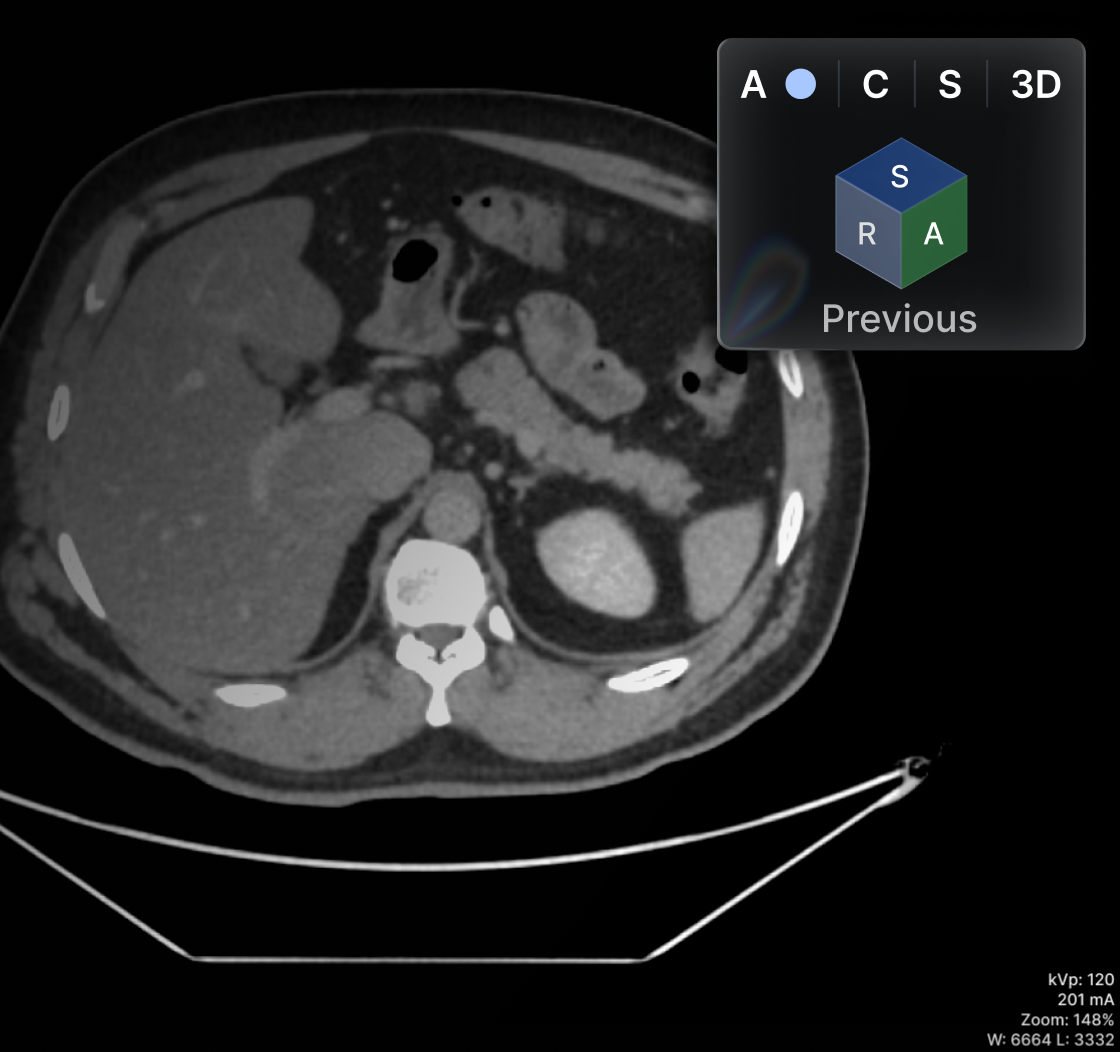
Oblique MPR in the main viewer (not only on the MPR viewer)

.png)
Browse all

Case Study: Savings with PACS Systems in a Hospital
We present a case study conducted at a hospital whose objective was to determine the differential cost between film-based radiography and a PACS system.
There are numerous benefits to implementing a PACS system in any medical facility, regardless of its size. With the aim of analyzing the monetary benefits in terms of savings and investment in a real-world setting, the National Institutes of Health of the United States (NIH) conducted an eight-year study at a hospital. The hospital wanted to stop using physical film and take advantage of the various benefits of PACS systems.
Once the PACS system was rapidly installed throughout the hospital, film and digital files were converted in a single step. This demonstrated that implementing PACS systems hospital-wide all at once can represent significant cost savings.
This case study attempted to build a model for the large-scale financial evaluation of PACS throughout the hospital, to help formulate implementation strategies. It was concluded that implementing a PACS system represents at least 63% in savings for the radiology department.
Case Study Details
The study was conducted at a government-owned hospital, with 482 beds and 100 physicians available. By 2002, the radiology department had performed 150,000 imaging studies, with a 10% annual increase in the use of this service between 1997 and 2002.
By mid-2003, this hospital implemented a PACS system in the period from January to March 2004, by which time the following had already been purchased:
- Four conventional X-ray machines.
- One DICOM-compatible ultrasound unit.
- One CT unit.
- One MRI unit.
In addition, an older CT unit was already converting images into DICOM format through a gateway. As part of the PACS, additional imaging modalities were also purchased, including three high-capacity computed radiography (CR) processors.
The PACS was fully integrated with a hospital information system (HIS) through a radiology information system (RIS). The order information generated by the HIS was converted into a worklist for the DICOM-compatible machines. The modality performed procedure step allows study completion information to feed back into the HIS system.
It was essential to have the support of all hospital medical staff for the process to run smoothly, so everyone had to be trained in its use through an earlier mini-PACS version, allowing them to become familiar with it and ensure the study's ultimate success.
It was decided to migrate the entire physical-film-based operation to digital images in order to avoid the operating costs of dual systems and reduce the cost of laser film, which is more expensive than conventional film.
After installation and training on PACS, the hospital achieved its goal of a 100% reduction in radiographic film in just 2 weeks. However, film use was maintained in the mammography and remote fluoroscopy units.
The change occurred by area, starting with outpatient care, since that was where radiographic film was used least frequently; it then continued with the emergency room and later with the care units.
Metrics Analyzed in the Study
Some of the assumptions on which this research was based, together with specialists in the field, were:
- An eight-year time horizon was used.
- A discount rate of 3% was assumed.
- If the PACS system had not been installed, the hospital would have had to purchase three film processors in years 0, 4, and 8.
- The PACS short-term storage holds one year of recent images, and long-term images are stored on a redundant array of independent disks (RAID), purchased annually according to the volume of image files.
- The annual maintenance cost of PACS was calculated at 5% of the initial purchase cost.
- The hardware of the PACS workstations used by physicians and radiologists can last four years and will be replaced in the fifth year.
- The costs of software updates for PACS are included in the maintenance cost.
To carry out this differential cost analysis, the following was taken into account:
- PACS cost model. This took into account everything from maintenance and the replacement of computed radiography cassettes to storage. By the end of the study, an increase in costs was observed toward the fifth year, when the workstation-related hardware had to be replaced, though this was a cost that had already been estimated.
- Film-based cost model. This includes the cost of purchasing and maintaining film processors; the cost of film, chemicals, film sleeves, conventional film cassettes, and film disposal; as well as the salaries of film library staff. Here it could be observed that costs rose by approximately 58% as the number of radiological studies increased.
- Net present value (NPV). The initial capital for installing the PACS system was USD $699,497, and by the eighth year, the NPV was USD $1,598,698.
Study Conclusions
The cost of operating with physical film and related costs, such as chemicals, storage sleeves, and label printing, represented 58% of total costs, followed by 22% for film processing and related costs, and 20% for archive staff salaries, with an NPV (net present value) of USD $2,083,856.
With this differential cost analysis, it was determined that the net present value for the PACS system was USD $1,598,698, while the NPV for the film-based system was USD $2,083,856, indicating a net savings of USD $485,157; thus establishing a net savings for PACS operation.
In conclusion, installing a PACS system that is well designed, well planned, and implemented with the guidance of experts within a hospital complex benefits both cost levels and other areas, for example, by reducing patient wait times, improving the management of critical patients, reducing the unavailability of images, increasing the productivity of devices and technologists, enabling online phone consultations, saving time for radiologists, and reducing staffing needs.
On the other hand, the emergency and intensive care units accelerated patient treatment by saving time on film transport. Clinics also saw reduced patient wait times, since studies could be interpreted immediately.
After implementing the PACS system, in just three years the use of radiology services increased by 82% among inpatients and 38% in outpatient consultations. An additional considerable increase in the number of studies was projected from the eighth year onward, along with further savings from no longer printing film. From a more conservative standpoint, savings of 63% are expected in radiological operations.
Reference: Ying-Cheng Fan et al. “Financial Assessment of a Picture Archiving and Communication System Implemented all at Once”. US National Institutes of Health. J Digit Imaging. 2006 Dec; 19(Suppl 1): 44–51.

The Patient's Right to Keep Their Medical Record
Discover more about a basic right we have as patients: access to our information and medical records. All of this is legally regulated in Mexico by NOM-168.
Numerous efforts have been made today to protect and guarantee people's rights when using healthcare services. We might think our rights are limited to receiving quality care, but there are actually other priority aspects we should be aware of.
Patients' Rights
One of these is the right to privacy and the protection of our personal data. Healthcare institutions are obligated to protect our information, and to ensure that it is not accessed by private individuals or other institutions with no legitimate claim to it.
Secondly, we have the right to receive a copy of all the information a healthcare institution holds about us, to verify the purpose for which it was collected, and, if necessary, to have it corrected or updated.
Legal Protection for Patients in Mexico
Furthermore, in Mexico the Federal Law on Transparency and Access to Public Information establishes that individuals have the full right to access their medical records.
However, Norma Oficial Mexicana 168-SSA1-1998 del Expediente Clínico (Mexican Official Standard on Clinical Records), better known as NOM-168 (Diario Oficial de la Federación, September 30, 1999), establishes that clinical records are the “property” of the institution providing the healthcare service, allowing only for the possibility that the patient may obtain a “summary” of the clinical data.
The patient's right of access to the documentation on their clinical history will have as its limit the right of third parties to privacy and to the confidentiality of the data contained in clinical records.
Can a Clinical Record Be Deleted?
Taking the above definitions into consideration, we might ask whether it is possible to delete our clinical history from a particular institution.
The answer is that, with regard to data protection, there is a right to erasure of information and personal data at the data subject's discretion.
But in the healthcare field, this right to erasure is more limited. Strictly speaking, healthcare personnel may decide on the deletion of health information, since the content of the clinical record is used, besides for the proper provision of care to the patient, for judicial, epidemiological, public health, research and/or teaching purposes, which are linked to the public interest or compliance with legal obligations.
Possibility of Access to the Clinical Record of a Deceased Person
In the event that we need clinical information about a deceased person, only the following is taken into strict consideration: access to the clinical history of deceased patients will be granted to persons connected to them, whether for family reasons or in fact, unless the deceased had expressly prohibited it and this can be proven.
Information that affects the privacy of the deceased will not be disclosed, nor will the professionals' subjective notes, nor information that would harm third parties.
Can Anyone Access the Information in a Clinical Record?
A quick answer is: no. In the case of healthcare professionals, they may only access a clinical record when doing so is warranted and considered necessary to carry out their work.
However, they may not access medical records out of mere curiosity, or to pass on a patient's information to an acquaintance. This type of conduct may be subject to legal sanctions.
Acts that are not only classified as violations of data protection regulations also appear in the Penal Code itself as the crime of disclosure and discovery of confidential data, in cases where a healthcare professional unlawfully accesses a patient's health data.
The clinical record is used solely for the purpose of ensuring appropriate care for the patient, and therefore the facility's healthcare professionals will have access to it as an essential tool for their work.
As for the administrative and management staff of healthcare facilities, they may only access the clinical record data related to their own duties, while committing at all times to uphold the duty of confidentiality and complete secrecy.
The proper handling of information and the clinical record of each patient require respecting each person's privacy, in the form of the confidential nature of all data concerning their health. All of this is protected within the framework of the law.
This is why healthcare facilities must have protocols in place to ensure that access to such information is carried out in a strictly legal and professional manner.
References
- Legal regulation of clinical data in Mexico. Medigraphic.
- Access to the clinical record. Archivos Judiciales. UNAM.
- Right of access to the patient's clinical record. Law Trends.

Guide to Managing Radiology Services
Radiology has become the most powerful tool available to physicians for making accurate diagnoses. Although patients can describe their symptoms, nothing is more precise than evaluating the internal structure of the body to detect anomalies and thus indicate more precise treatments. This is why hospitals strive to provide this service, though doing so requires a management guide.
The above is attributable to the fact that running an imaging department is not simple. There are several reasons for this, such as:
- High demand for studies
- Storage system
- X-ray room installation requirements
- Information confidentiality system
In other words, this work does not consist solely of the equipment that captures the images and the operators who run it. There is an entire management process behind satisfying patients, involving short wait times, sending digital studies to physicians and stakeholders, secure storage, and so on.
Hospital Administration in Radiology
Proper hospital administration is the key to good radiology management. This encompasses both the activities that occur while the patient is in the waiting room and those taking place in every space where the different modalities are performed, such as CT scans, mammograms, ultrasounds, MRIs, among others.
- Waiting time before the study. The idea is for the patient to arrive at the radiology department and be attended to as soon as possible. The wait should only cover the time it takes the receptionist to record the patient's details, bill the study, retrieve prior history (if applicable), and direct the patient on where to go next.
- Study time. The information gathered from the patient in the previous step should go directly to the technologist who will perform the study, to avoid delays once the patient enters the room. This way, the operator can quickly instruct the patient on what to do for image capture.
- Processing time. Once the study is complete, either the technologist or a staff member sends the study to the specialist. With a tool such as a PACS system, this is fairly quick, since it works with standard formats and efficient communication channels.
- Delivery of results. Depending on the hospital's procedures, the patient may receive the study by email. The use of physical film has become a thing of the past.
- Storage. Once the images are processed, the next step is fast, short-term storage for a maximum period of 15 days. After that, the study can move to the archive, which in digital form means the servers.
Functions of a Radiologist in a Hospital
For radiology department management to be optimal, it is important that radiologists have clearly defined roles. In addition to capturing images alongside the operator, the radiologist is responsible for:
- Receiving the patient and providing safety guidelines, such as the use of lead aprons where applicable.
- Validating the studies to be performed and considering the use of contrast agents previously indicated by the specialist.
- Operating the equipment with expertise, and requesting training whenever deemed necessary.
- Ensuring the equipment functions correctly, and promptly notifying supervisors in the event of a malfunction.
- Informing the specialist physicians, even before sending the images, if a significant anomaly is observed.
Therefore, if the healthcare facility has tools such as PACS (Picture Archiving and Communication System), the radiologist and all staff involved in the studies must know how to use the platform. This ongoing training is key when adopting technological improvements, which is why Eva PACS provides continuous technical support to its clients at all times.

The Importance of the ISO 9001 Standard in the Healthcare Industry
In the digital age, the healthcare sector faces growing pressure to cut costs and increase efficiency. To achieve this, organizations seek a certification that demonstrates their ability to reliably and consistently deliver products and services. They have recognized that compliance with these standards also brings benefits beyond helping them meet objectives and pursue savings opportunities. Implementing a quality management system not only helps them meet these standards, but also gives them insight into how they can improve and eliminate any bottlenecks or inefficiencies in their operations.
With so many certification options available, it is important to choose the right one for your organization's needs and resources. One of the most widely adopted certifications is ISO 9001, which refers to standard number 9001 of the International Organization for Standardization (or "quality"). Let's take a closer look at why this certification is so beneficial if you work in the healthcare sector
What is ISO 9001?
ISO 9001 is the most widely adopted international standard for quality management systems and business management. The standard is divided into a series of clauses, each with a specific purpose, description and method of application. There are currently five recognized versions of the standard. The most recent version was published in 2018. Why does it matter? Organizations that have implemented a quality management system and are in the process of applying for certification are required to follow the version that was in effect at the time of implementation. The clause below is just one example of how the standard can be applied to the healthcare sector. It serves as a useful starting point for better understanding the overall advantages of this certification, as well as its limitations.
Why is ISO certification beneficial?
Organizations certified under ISO 9001 have demonstrated that they have the organizational structure, resources and management systems needed to deliver products and services consistently and in line with customer expectations. Obtaining this certification sends the message to current and prospective customers that your organization takes quality seriously and has the right tools to identify potential risks and issues, and to correct them before they become actual problems. ISO certification also provides benefits beyond customer satisfaction. By implementing a certified quality management system, organizations can benefit from greater efficiency and reduced waste, as well as increased employee engagement and a better work environment.
What does ISO 9001 certification mean for the healthcare sector?
Organizations in the healthcare sector are required to comply with many different standards, including environmental and safety standards. ISO 9001 certification means that an organization has implemented a certified quality management system and has been audited to ensure it complies with that standard. Organizations that meet the requirements of ISO 9001 certification must implement a documented quality management system that is periodically evaluated and verified by an independent third party. The certification is valid for a period of three years. Organizations must renew their certification by undergoing a reassessment process every three years.
Limitations of the ISO 9001 standard
ISO 9001 certification does not take into account the specific needs of different sectors, such as the healthcare industry. While it helps organizations establish best practices and eliminate inefficiencies, it also requires a significant investment of time and resources. In addition, it does not provide insight into the processes that initiate customer orders or the overall customer experience. Organizations that implement ISO 9001 certification must also be willing to make changes when necessary. The certification process is periodically audited by an independent third party, and organizations must be willing to make whatever changes are needed to meet certification requirements.
Key Takeaway
ISO 9001 certification is a widely accepted standard that helps organizations maintain consistency and achieve customer satisfaction through quality products and services. While it is beneficial for a wide range of sectors, including healthcare, it requires a significant investment and does not take into account the specific needs of the healthcare sector.

Introduction to Radiology Administration
Radiology is one of the most in-demand areas in healthcare centers, as it is the most reliable way for doctors to make diagnoses. However, working with these services requires proper administration in order to capture, store and send images to the interested parties in the shortest possible time, and thus also optimize the use of the department's equipment.
This kind of administration requires the basic elements of planning, direction, organization and control of each of the activities carried out in the radiology studies department. This also involves managing:
- Patient appointments
- Medical records
- Billing
- Equipment monitoring
- Staff performance
Indeed, the goal is for the workflow to be effective so that patients invest only the necessary time and the workday is used to its fullest. The above translates into an exponential increase in the productivity of the radiology lab.
Radiology service project
When starting a radiology service project, there are some basic elements to consider, such as the modalities to be developed, the imaging capture equipment to be acquired and the technicians who operate them. However, there are important technologies that have become key pieces of this department, such as PACS systems.
Let's take a closer look at these elements:
- Modalities to be developed. Depending on the specialists working at the healthcare center, it is advisable to have the modalities that support the respective diagnoses. The most common types of studies are: X-rays, ultrasound, mammography, magnetic resonance imaging, computed tomography and fluoroscopy.
- Equipment. Depending on the modality, there is a variety of equipment on the market for correctly capturing the images in question. However, an essential requirement is that they be compatible with PACS systems.
- Staff. The idea is for them to be healthcare professionals with a broad outlook on the use of modern tools and techniques, which allows them to easily adapt to the changes that technology in this sector constantly brings.
- Technologies. PACS systems are likewise key to a radiology service project, since they save time and securely store patient studies. They integrate radiology information systems (RIS) and hospital information systems (HIS) to manage information within seconds, without the need for manual activities that only lead to errors.
Financial administration of healthcare organizations
As mentioned, the use of technological tools is essential for healthcare organizations in today's world. The reason is that, in the medium term, they provide significant economic growth.
In the case of PACS, its advantages are:
- Interhospital connection. Almost immediately, the specialist physician can obtain the imaging study of their patient digitally. This allows for a clearer view for making diagnoses.
- Sending studies to patients. Some platforms, such as Eva PACS, allow studies to be sent to patients via instant messaging or email. This way, people can consult with other doctors or keep a backup of their medical studies.
- Standardized formats. PACS systems mostly work with standard formats, such as DICOM and HL7. This way, both doctors and patients can view the images on computers without compatibility issues.
- Effective storage. Having the center's studies from the last 15 days available within seconds is feasible, as well as older ones. All are securely sent to servers in accordance with HIPAA law.
Undoubtedly, good financial administration of healthcare organizations recognizes that the use of technology drives the growth of these centers. This is because it immediately streamlines activities and therefore increases business productivity.

Effectiveness and Efficiency in Health: 3 Ways to Increase Them
Do you feel like you are constantly working at full capacity with no time to take care of yourself? Although long hours and a heavy workload are to be expected in your career, the stress and strain that come with these jobs often leave little time for self-care.
If you feel there is no time to focus on your own health, efficiency or effectiveness at work, keep reading to discover three ways to make the most of your time and improve your performance and happiness.
Reducing stress, eating healthily on a regular basis and dedicating time to exercise require personal sacrifice. However, these small sacrifices can provide a great return on investment. Let's look at how you can increase your health efficiency and effectiveness so you can get more done in less time, while also feeling better about yourself along the way.
Make a to-do list and stick to it.
A to-do list is a fundamental part of any effective and successful workday. However, many people don't prioritize creating a to-do list or ignore having one altogether. If you want to increase your health efficiency, you need to create a to-do list that includes everything you need to do each day, week and month, and stick to it. This may mean cutting back on social and leisure activities, but the payoff is worth it. If you make a to-do list and commit to following it, you will be more efficient, more productive and less prone to stress. This means you will have more time to focus on taking care of yourself. A to-do list can help you schedule time for exercise, doctor's appointments, family time, work and everything else you need. It can help you be more efficient and effective at work, since it brings more structure to your day and keeps you on track. It can also help you prioritize your tasks and eliminate the stress of having too much on your mind. #Take small breaks throughout the day Taking breaks throughout the day may seem counterproductive, especially if you are trying to maximize your time. However, breaks are essential for maintaining your health and productivity. When your brain is under stress, it starts producing excessive amounts of the hormone cortisol. You need cortisol to function at your best, but an excess of cortisol wreaks havoc on your body. It contributes to a wide range of health problems, such as weight gain, fatigue, reduced immunity and decreased cognitive function. Taking a break to do something that doesn't strain the brain, such as taking a walk, listening to music or meditating, can help normalize cortisol levels so you feel more energetic and effective when you return to your tasks. You can also take small breaks throughout the workday to avoid the fatigue caused by sitting at a desk all day.
Commit to a small amount of exercise throughout the week.
If you feel stressed and fatigued, exercise can help. It releases endorphins and redirects your body's resources to reduce the amount of cortisol your brain produces. Exercise can also improve your mood, increase your energy levels and help you sleep better. Committing to a small amount of exercise each week can be easier than you think. You can walk or bike to work instead of taking public transportation. You can opt for a standing desk instead of a traditional one and try to include a short exercise session at the end of your workday. You can take your dog for long walks and replace your evening TV show with a short workout video. If you commit to exercising, even in small amounts, you will feel better and more effective at work.
Efficiency and effectiveness are not just buzzwords. They are essential to the workplace. However, these concepts can also apply to your personal life. If you want to improve your health and feel better about yourself, you need to make the most of your time. Now you know how to make the most of your time and improve your health. So, what's on your to-do list for today?

Quality of Patient Care: 3 Ways to Improve It in Hospitals
In hospitals, patient care is often a collaborative effort among team members, which may include nurses, nursing assistants, social workers, dietitians, pharmacists and others. Improving the quality of patient care is not always easy, but there is much you can do to help your team members provide the best possible care to every patient at all times. Here are three ways to improve the quality of patient care in your hospital:
Be transparent about patient care outcomes.
At the heart of any quality improvement initiative is the ability to track and measure performance outcomes. It is essential to know how your patients are doing so you can spot trends. Every hospital has its own set of metrics that indicate the quality of care provided to patients. For example, a hospital might track the percentage of patients who receive timely antibiotic therapy for bacterial infections or the percentage of patients who receive blood transfusions within two hours of administration of a coagulant medication. Transparency about patient care outcomes is essential to fostering a culture of continuous improvement. If team members don't know what the outcomes are, it's hard to know where improvement is needed. Metrics can be displayed on posters throughout the hospital so that all team members can see them. #Train new employees in best practices New employees should be trained in best practices so they can be confident they are providing the best possible care to patients. For example, new employees should be trained on how to properly administer medications, how to handle blood samples, how to correctly take patients' vital signs, how to properly clean and disinfect medical equipment, and the correct way to draw blood. When training new employees, don't limit yourself to the skills they need to do their job. Be sure to also include information about the patients they will be caring for. This will help new employees develop an appreciation for the people they help. Training new employees is one of the most important things you can do to improve the quality of patient care in a hospital. When new employees receive proper training, they can more easily recognize situations in which patients may require additional care.
Create a safe environment for employees to ask questions
Some of the best ideas for improving the quality of patient care come from employees who have been on the front lines of patient care. To be the best possible healthcare organization, the hospital must create a culture in which employees feel comfortable sharing their ideas and asking questions about better ways of doing things. An environment in which employees feel comfortable asking questions is a key factor in improving the quality of patient care. If employees don't feel comfortable asking questions, they may not be able to identify opportunities for improvement. Some hospitals have created programs that allow employees to submit questions anonymously. This is a good way to ensure that everyone can participate in the program. You might also consider creating a "suggestion box" where employees can drop off their questions or suggestions.
Patients often come to the hospital hoping to get better, but they are not always aware of the amount of work involved in providing their care. Improving the quality of patient care can be a challenge, but it is necessary. The more you can do to improve the care provided by your team members, the better your patients will fare. Above all, remember that patient care is about more than simple treatment. It's about delivering an experience that makes patients feel comfortable and valued. When you achieve that, your patients are likely to come away from the experience with a positive outlook and a better view of life.

Hospital Administration: Strategies to Improve Clinical Workflow
Hospitals are complex, fast-paced environments in which staff members often juggle multiple tasks at once. Maintaining workflow can be a challenge, especially when new initiatives or processes are introduced.
Fortunately, there are a number of proven strategies that can improve your hospital's workflow so that staff members spend less time on administrative tasks and more time on patient care. This article outlines 10 strategies you can use to optimize your hospital's workflow, so that each staff member can focus on what matters most: patient care.
Establish clear roles and responsibilities
Workflow begins with establishing clear roles and responsibilities for each staff member. This includes not only the tasks each employee is responsible for, but also the department and shift in which they work. An advanced workflow system can help you identify bottlenecks or areas of confusion by tracking how many times a task passes between departments. Be sure to keep these roles and responsibilities up to date as staff members come and go and new initiatives are implemented. If you work in a large hospital, you may want to consider creating a workflow map that identifies how tasks move from one department to another. This map can help you identify areas of inefficiency, such as a long path between departments. You can then work with the departments responsible for these tasks to help improve their workflow.
Create a central workflow management system
Workflow management systems (WFMS) are tools that help you track tasks, assign due dates and identify bottlenecks in your workflow. This can be especially useful in hospitals, where staff members often juggle multiple tasks. A centralized WFMS can help you identify and redirect tasks that are falling behind. It can also help you identify and adjust unbalanced workflows, such as a department that is consistently assigned more work than it can complete on time. A centralized WFMS can also help you manage workflow during periods of change, such as when a new initiative is introduced or an employee leaves the organization. The system should allow you to track tasks, deadlines and other project data for these changes, so that the rest of the workflow is not affected.
Automate tasks whenever possible
When designing your workflow, watch for manual tasks that can be automated. This can include tasks such as sending reports to management or scheduling patient appointments. Whenever possible, look for ways to automate tasks so that staff members can focus on the most important aspects of their work. If you work in a small hospital, you may not have the resources needed to automate every task. In that case, consider automating the tasks that have the greatest impact on workflow and are most likely to be overlooked. These may include tasks such as sending reports to management or scheduling patient appointments. It can be helpful to have these tasks managed by software rather than by a person. When a task is automated, there is less room for error and it is more likely to be completed as expected.
Educate staff and patients
Workflow is about more than assigning tasks and deadlines; it also involves managing expectations. Staff members can make fewer mistakes and make better use of their time if they understand the workflow, roles and responsibilities, and expectations for the tasks assigned to them. Patients can also contribute better to workflow if they understand what is expected of them. Healthcare organizations should consider applying a standardized communication approach that helps patients and staff members understand each other. This can help reduce miscommunication and improve overall workflow. Consider developing an educational module for staff members and patients that explains the workflow, how tasks are expected to be completed, and what patients can do to help improve the process. This module can be integrated into existing communication channels, such as the healthcare organization's website or mobile app. Some WFMS software providers also offer communication tools, such as interactive patient education modules, to help improve workflow.
Hold regular workflow sessions with staff members.
As you begin implementing your workflow, hold regular workflow sessions with staff members to help them understand their roles and responsibilities. This can be especially useful when new members join the team or when a new initiative is introduced. Workflow sessions can help reduce errors and improve efficiency. This is especially important when new processes are added to the workflow. A centralized WFMS can help you track these changes and revert the workflow to its original state if something goes wrong. A regular workflow session can be as simple as a meeting in which the team is guided through the workflow and how it affects them is discussed. You can also hold regular workflow sessions with key stakeholders, such as management, to help them understand how your workflow works and when certain tasks can be expected to be completed.
Rotate job roles to increase efficiency
Many hospitals have departments with one or two employees specialized in a single task, such as appointment scheduling or inventory management. To increase efficiency, consider rotating employees through these specialized roles. This can help improve overall workflow performance by drawing on the different strengths of your team members and reducing the effects of burnout. For example, suppose your hospital uses a software-as-a-service (SaaS) tool to schedule appointments. This task typically takes several hours a day, which is more than a single employee can complete in a timely manner. You can rotate staff members through this role, ensuring it is completed each day, but at a manageable pace for each staff member. This can also help reduce errors caused by fatigue, which can occur when employees are regularly given tasks that exceed their capacity.
Provide visibility with real-time reporting
Real-time reporting can help increase visibility throughout the hospital, which can help improve workflow and reduce errors. This can be especially useful in WFMS that can integrate with other software. This can include scheduling software, data management tools, and more. For example, suppose a patient has an appointment scheduled for 2 p.m., but something happens that causes a delay. With real-time reporting, you can identify the patient's appointment in your scheduling software and update the appointment to show the delay. The system can then automatically update the patient's record to reflect the delay, which can help reduce the amount of time doctors and nurses spend manually updating records.
Establish predictable work schedules
It may seem counterintuitive, but establishing predictable work schedules can help improve workflow. This can be especially useful for departments with a heavier workload, such as emergency rooms or nursing staff. A predictable schedule can help ensure tasks are completed on time, minimizing the possibility of errors. For example, suppose the emergency room typically has a heavier workload on Friday nights. You can assign work schedules to account for this increased demand, ensuring tasks are completed on time and reducing the possibility of errors. This can also help you identify areas for improvement, such as an above-average wait time, and make the necessary adjustments.
Employ deterrent tactics for non-essential tasks
This is a controversial strategy, but one that can help reduce time spent on non-essential tasks. Deterrent tactics involve reducing the visibility of non-essential tasks so that staff are less likely to perform them. This can be done in several ways, such as not tracking tasks or metrics related to non-essential tasks, or only reporting errors related to non-essential tasks. For example, suppose staff members spend too much time filling out forms related to medication orders. You could then decide to reduce the visibility of this task. This can be done by no longer tracking the time spent on these forms or by only reporting errors related to this task. This can help reduce the time spent on these tasks so that staff members spend less time completing them.
Workflow is an essential component of the healthcare experience. By improving your hospital's workflow, you can help reduce errors, improve efficiency and increase the quality of care provided to patients. While each of these strategies is important, they are only effective if applied as part of a comprehensive strategy that takes into account your hospital's unique challenges. This article outlines 10 administrative strategies you can use to optimize your hospital's workflow, so that staff members spend less time on tasks and more time on patient care.

Download the Guide: Leadership in the Management of Healthcare Institutions 2023
Did you know that less than 1% of health problems require hospital care? Despite this, hospital traffic is constant and difficult to manage with full efficiency.
A special kind of leader is needed to manage the operation of a hospital of excellence.
What you will find in this guide:
- Leadership for modern hospitals: how this organization works.
- Basic expectations of a hospital: what tasks are carried out in a general hospital.
- What does it take to be a good hospital manager?
- Hospital areas under the hospital manager's responsibility: the 5 general areas you need to master.
- 3 essential pillars of a management system: admission, clinical processes and hospital discharge.
- Putting patients at the center of hospital management. Why prioritizing patient experience will make you a better leader.
- Humanizing health services: how to maintain the best level of patient care?
Download the guide Leadership in the Management of Healthcare Institutions 2023.
[popup_trigger id="4897" tag="addform"]
[/popup_trigger]
Hospitals are institutions of enormous importance and benchmarks of service quality for populations of all sizes anywhere in the world.
A hospital represents a physical and mental refuge for people who have suffered an illness or accident. In a hospital, the community places its highest expectations of efficiency. It is expected that in this institution, trust, warmth and hospitality are guaranteed at any hour of the day.
Have you ever wondered what it takes to be a leader in the healthcare sector?
At Eva, we know how important it is to prepare ourselves to improve medical services at every level. Having good leaders to manage the medical institutions that care for people is a key issue for empowering your career in the healthcare industry.
We have created a basic guide for you, covering everything you need to know in general terms, so you can take the next step toward a leadership position.
This guide can be useful both for aspiring medical institution managers and hospital directors who are already working in that capacity but are looking to correct shortcomings or improve services as well as the experience of patients and users.
We are confident it will help you take the management of your medical center to the next level.

5 Dimensions of Healthcare Quality: How Quality Affects You
In the healthcare sector, quality is measured in several ways. Each data point is essential for understanding the quality of care that a hospital or other medical center provides to its patients. However, it is important to understand what these dimensions mean and how they can affect your care.
To better understand the importance of quality in healthcare, below are the five dimensions of healthcare quality and their effect on you as a patient.
Quality of care and outcomes
Quality of care is the extent to which healthcare services fulfill their promise to improve patients' health. It is measured by treatment outcomes, such as length of hospital stay, the success of a surgical procedure, and return to daily activities after treatment. For example, if you undergo hip replacement surgery, you may need to spend a few days in the hospital, followed by physical therapy. The quality of care you receive can affect your hospital stay, the success of the operation, and your ability to recover. In this example, quality of care can be measured by the amount of time you remain in the hospital, the success rate of the surgery (for example, whether you can walk right after the operation), and your ability to return to your normal daily activities.
Equipment and environment
Equipment and environment refer to the quality of the physical environment in which care is provided. This includes everything from the cleanliness of the room to the type of equipment used. This aspect of quality is becoming increasingly important as the number of people with certain conditions, such as allergies, increases. In particular, people with allergies or food sensitivities should pay attention to this quality dimension. For example, if you have allergies or food sensitivities, you should pay attention to the cleanliness of the hospital or other medical center and the food they serve. Another important consideration is the use of technology. As technology continues to advance, it has become a more important part of healthcare, especially when it comes to diagnosis. For example, a CT scan (computed tomography) or an MRI (magnetic resonance imaging) creates high-quality images of your internal organs to help with diagnosis.
Staff and expertise
This dimension of quality takes into account how well the healthcare team works and how well trained and experienced the professionals are. This dimension is often measured through surveys of healthcare providers. You can see customer satisfaction surveys at a doctor's office or online rating systems such as Healthgrades.com to rate the quality of care providers deliver. In the context of surgery, this dimension of quality is especially important when it comes to the surgeon. Surgeons are often highly specialized in a particular type of surgery, such as cardiac surgery. Surgeons also have extensive experience performing the type of surgery in which they specialize. Surgeons use equipment and have access to other resources, such as technology and specialized medical staff, that others may not have.
Processes and practices
This dimension of quality refers to the way healthcare providers manage care processes, such as scheduling, billing, and record keeping. This includes the use of technology and patient-friendly systems, such as electronic medical records, to help people navigate healthcare and get the care they need. For example, when navigating the healthcare system, it is important for patients to receive care in a timely manner because every day counts when someone is sick or injured. In fact, timeliness is one of the most important aspects of quality for patients. Healthcare systems around the world are trying to become more efficient and make access easier for patients.
Consumer experience
Consumer experience measures how satisfied you are with the overall healthcare experience. This includes satisfaction with the physical environment in which care is received, interactions with providers, and the degree of understanding of the care provided. Since this dimension of quality is more subjective, healthcare providers often look for ways to improve it. Some of the ways providers measure this aspect are patient surveys, satisfaction ratings on healthcare system websites, and even social media mentions about the quality of healthcare providers. For example, if you are a patient receiving treatment at a hospital, you might fill out a survey about your experience at that hospital. This survey could address the cleanliness of the hospital, how comfortable you felt there, or how helpful the staff was.
Healthcare is complex, and each of these five dimensions is critical to equipping teams with the tools, resources, and support needed to achieve excellence in their work. In fact, for each of these five dimensions, healthcare teams will conduct periodic assessments, such as surveys and interviews, to gauge their current status and create improvement plans. These assessments take many different factors into account. For example, if a team does not have the right equipment, such as the correct tools for surgery or instructions for treating certain conditions, it can affect the quality of care and outcomes. Similarly, if a team has inefficient processes, such as scheduling appointments too far apart and creating long wait times, it can affect the consumer experience. The healthcare sector is constantly changing and adapting to new technologies and methodologies. New technologies can be helpful, but they can also be intimidating.

Clinical Budget: What It Is and Why It Matters
A clinical budget is a monetary allocation set aside to fund clinical activities. It helps clinicians plan and control expenses so they don't run out of money before the fiscal year ends. If you operate as a sole proprietor or partnership, you can also use a clinical budget to record accounting transactions related to your business. A clinical budget can be used by physicians in private practice or other medical organizations to manage their financial resources. It will help you anticipate costs and expenses over the coming year, so you can allocate your resources wisely and keep track of how much money you have left at any given time. With a clear understanding of your financial situation, you will be able to make informed decisions about the best way to use your resources for the rest of the fiscal year and beyond. One option for optimizing your revenue and reducing costs is Eva Pacs, since with our technology we speed up diagnostic processes and reduce costs.
Why is it important to maintain a clinical budget?
A clinical budget is a fundamental component of any business management system. It will help you keep track of your expenses, especially when you have limited resources and many expenses to cover. A budget will help you prioritize expenses, plan for potential shortfalls, and avoid incurring debt whenever possible. Having a clear budget will also help you track your progress, providing valuable information that can help you improve your business practices and make better financial decisions in the future. A budget can help you make informed decisions about how to use your resources and stay within it throughout the year. For example, if you need to hire employees to help manage your practice but are not sure you have the budget for it.
A clinical budget will help you make informed decisions about how best to use your resources, such as hiring contractors or outsourcing certain tasks, and keeping your costs under control.
Creating a medical budget plan
To create a budget plan, you will need to start with your budgeted annual income and expenses. Once you have created a schedule of budgeted income and expenses, you will need to take into account additional factors such as your monthly cash flow, cost of capital, and other expenses that may not occur annually. You can then create a budgeted balance sheet to track your assets, liabilities, and net worth. A budget plan is an essential first step when creating a budget. It lets you know how much money is coming in and how much you need to spend. Although it is important to keep in mind that budgets are not set in stone, creating a budget plan is a fundamental first step toward building a clinical budget that works.
Recording accounting transactions
Clinical budgets are used for more than just planning and tracking expenses. You can also use a clinical budget for general ledger entries and to record accounting transactions, so you can track your income and expenses. You can do this in an accounting program such as Quickbooks Online or an accounting program such as Xero. A clinical budget can be a useful tool when you are trying to account for expenses related to your business. You can use a clinical budget to record any expense related to your practice, including payments to contractors, office supplies, and even employee expenses. You can also use a clinical budget to record any income generated by your business, such as payments received from insurance companies, Medicare, and other third-party payers.
Identifying the main cost drivers
A clinical budget can help you identify the main cost drivers and determine how to manage them. Cost drivers are expenses that change depending on the number of services or procedures provided. For example, the cost of operating rooms is usually calculated per procedure. You can use a clinical budget to track the number of procedures you perform and predict the associated costs. A clinical budget can help you identify cost drivers in any department of your practice. You can then use this information to adjust your budget and make changes to accommodate the associated costs. This will help you avoid overspending in certain areas, while providing the financial resources needed to cover other expenses.
Summary on clinical budgeting
A clinical budget can help you plan for the future and make smart financial decisions. It can help you anticipate changes in income and expenses so you can adjust your budget accordingly. It can also help you track your financial progress and improve your budgeting skills over time. A clinical budget can be beneficial for any business, but especially for medical practices. A budget can help you control and manage expenses, anticipate future costs, and make better financial decisions.

History of X-Rays: Who, When, Evolution, and How They Were Discovered
X-rays are a form of electromagnetic radiation, like visible light or radio waves. They are produced when an electron falls from a higher energy state to a lower one within an atom, releasing its excess energy in the form of X-rays. However, X-rays have much shorter wavelengths and higher frequencies than visible light. They can also be invisible to the human eye because they have a fairly high frequency. Because of this, humans cannot see them directly and must use instruments that detect their effect on other materials. In this article, we look back at the history of X-rays and how they were discovered in different contexts.
Who discovered X-rays?
X-rays were discovered by Wilhelm Röntgen in 1895. Röntgen was a German scientist who received the first Nobel Prize in Physics for his discovery. He observed a new form of radiation that he could not see with his eyes but that he could detect when it passed through bones and other materials. Röntgen called these new rays "X-rays" because they were a form of radiation unknown at the time. His discovery was so important that the unit of measurement for radiation was named roentgen in his honor. Röntgen could not have known that his discovery would change the modern world as we know it. Today, X-rays are used everywhere, from hospitals to art galleries.
X-rays in anatomy and medicine
X-rays were first discovered by scientists investigating the effect of high-energy radiation on biological materials. They observed that metals and minerals showed no effect from exposure to such radiation, but biological materials such as plants, animals, and human tissue reacted strongly. This was the first indication that this new form of radiation had properties different from light visible to the human eye. Researchers then began investigating how this radiation could be used in the medical and scientific fields. X-rays have been used in healthcare since the late 1890s. Before that, they were used to investigate minerals and metals. Early X-ray machines could be very large and were impractical for medical use. By the late 1920s, more practical, smaller X-ray machines had been developed, leading to more widespread use of X-rays in healthcare.
X-rays in crime detection: forensic science
When investigating criminal acts, the forensic examiner's first task is to collect evidence. Evidence may include blood, fingerprint traces, footprints, and other marks left at the crime scene, as well as objects taken from a person, a victim, or removed from the scene. X-rays are also used to gather evidence in criminal cases. X-ray machines are used to look through clothing and into bags, suitcases, or other containers to collect evidence. Forensic examiners also use X-rays to reveal unknown marks on a person or object. This helps solve the crime by revealing elements that would not normally be visible. The use of X-ray machines to reveal the inside of the body has been employed for many years.
X-rays in the art world: visual art and exhibitions
The use of X-rays in the art world has increased in recent years. X-rays, sometimes combined with infrared imaging, have been used to examine and authenticate paintings. They can be used to see inside a painting and check whether it is genuine or has been altered or repaired at some point in its history. In addition, X-rays can be used to reveal the underdrawings (the sketch or original drawings) beneath a finished painting. X-rays can also be used to assess the condition of a work of art made from fragile materials, such as a painted manuscript or a sculpture. Art exhibitions often use X-rays to show the inside of a work of art. This can be done to add surprise or to provide information. It can also be used to protect a fragile work of art.
X-rays in physics research
X-rays are widely used in research laboratories, where they are produced by accelerating electrons or other charged particles, or by sending high-energy sound waves through materials. This allows scientists to study materials at the atomic level and see what happens at the submicroscopic level. X-rays are often used to generate an image of a sample, such as the inside of a plant or the human body. However, it is important to note that the sample must be transparent to X-rays for this to work.
The power of X-rays in science and medicine
X-rays are an extremely useful form of radiation for scientists. They can be used to study materials such as metals, minerals, plants, animals, and humans at the atomic level or below. The use of X-rays in the field of medicine has allowed physicians to examine the inside of the human body without having to make a large incision or cut in the skin. Artists and scientists have also used X-rays to reveal what lies inside a sample, but the sample must be transparent to X-rays for this technique to work.
No papers match your search.