
Whitepapers
The latest capabilities of the Diagnostic OS
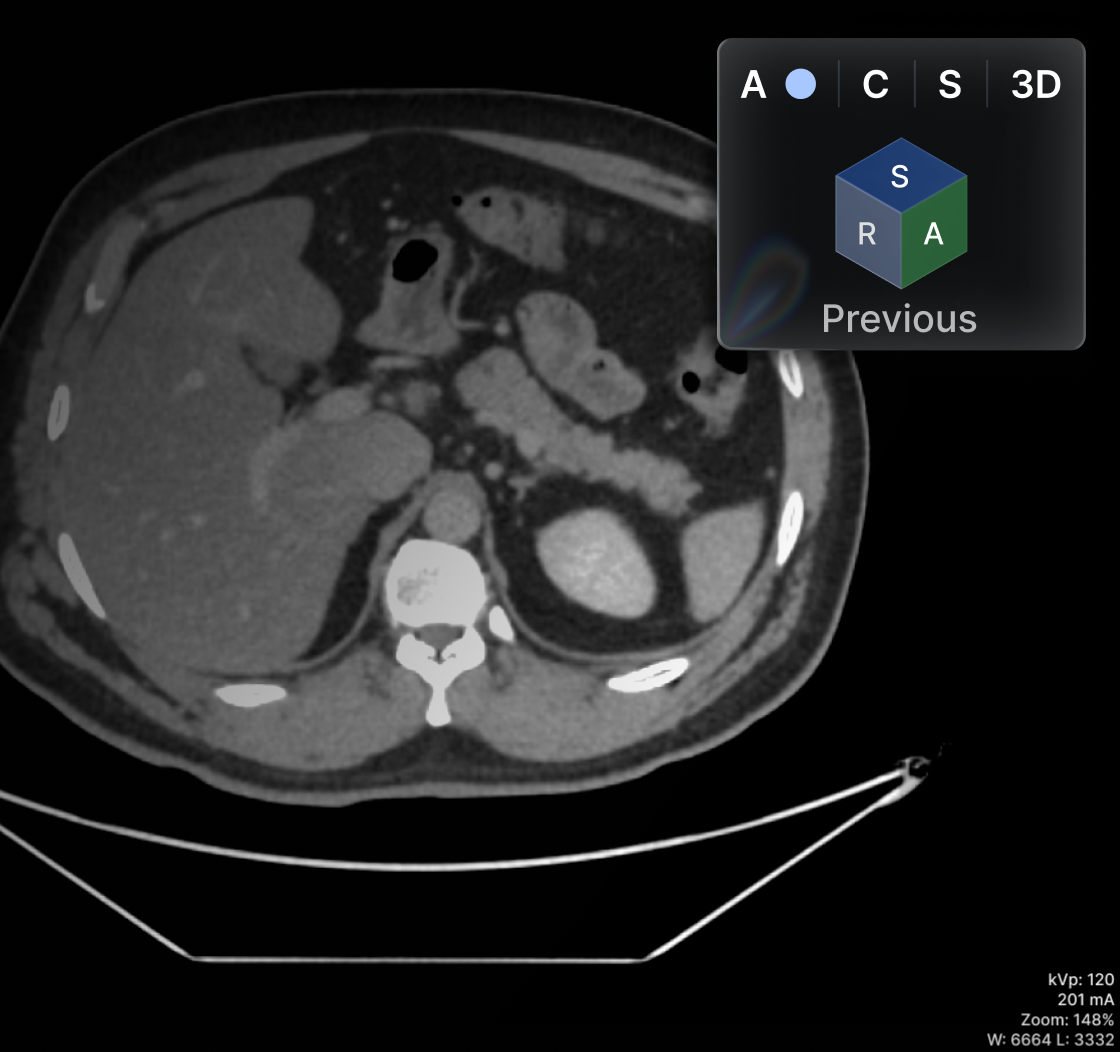
Oblique MPR in the main viewer (not only on the MPR viewer)

.png)
Browse all

Progress and Digital Transformation in Peruvian Healthcare: Technology at the Service of Well-Being
As we approach the bicentennial, it is imperative that healthcare managers in Peru embrace digital transformation in the sector. This will allow citizens to access better and broader health services for the prevention, diagnosis and treatment of disease.
eHealth or Telehealth is defined as the use of information and communication technologies (ICT) in the field of health, with telemedicine and the electronic health record being the best-known examples. Progress in its implementation in Peru over the past two decades has provided valuable lessons for improving both the population's access to care and the provision of health promotion, prevention, treatment and rehabilitation services.
Worldwide, the World Health Organization (WHO) and the Pan American Health Organization (PAHO) are increasingly promoting the use of eHealth across countries, leveraging advances in Industry 4.0. In Latin America, Brazil, Argentina, Uruguay, Mexico and Chile have been pioneers in incorporating this concept into their healthcare delivery models.
Challenges facing the Peruvian health sector
Healthcare managers and other stakeholders face challenges related to population aging, with projections indicating that by 2050, 25% of the population will be over 60 years old. In addition, 86% of the population is expected to be concentrated in urban areas. These trends compound the rise in chronic non-communicable diseases and the increase in per capita health spending, which currently reaches 1,000 dollars.
The deployment of the National Fiber Optic Backbone Network (Red Dorsal Nacional de Fibra Óptica) and the Regional Networks provides an opportunity to expand eHealth/Telehealth services nationwide.
These challenges call for greater empowerment and self-management among citizens in caring for their own health. At the same time, managers must substantially improve the coverage, quality and effectiveness of health services. For example, it is necessary to reduce waiting times for medical appointments and travel times to health facilities, as well as address the shortage of specialist physicians in the regions.
The main challenges consist of achieving:
a) Greater prevention of diseases and their complications.
b) Easy and timely access to health services, regardless of the service provider (Ministry of Health, Regional Government, social security or private providers).
c) Reduction in travel and unnecessary use of hospital services, which will also lower costs for society as a whole.
Current situation and regulatory framework
Although Peru's healthcare sector remains fragmented, its digital transformation can be achieved through the implementation of digital tools with broad reach that are efficient, effective, ubiquitous and available at all times. Initial progress confirms that we are already in the first of the three phases that this technological development encompasses.
Of the 11,000 health facilities across the country, less than 3% are part of the Ministry of Health (MINSA) telehealth network, though 10% is expected to be reached by year end. EsSalud, for its part, has its National Telemedicine Center for its service network. However, in the public sector only two centers operate under the Zero Paper Management model, while in the private sector significant progress stands out at several clinics.
In terms of costs, it has been shown since 2004 that eHealth can generate savings of up to 70% through electronic disease surveillance. In 2016, EsSalud recorded savings of 10.5 million soles thanks to the use of teleradiology, and savings from the intelligent management of medicine and supply inventories through information management are currently being documented.
Regarding regulations, Law 30421 (Telehealth Framework Law) was published in April 2016 and amended by Legislative Decree 1303 in December of the same year, although it has not yet been regulated. In August 2018, MINSA established its Digital Government Committee to lead the digital transformation process, and in September Legislative Decree 1412 (Digital Government Law) was published, promoting the cross-cutting use of digital technologies in processes and the provision of digital services by public entities at all three levels of government.
Challenges ahead
On the road to our bicentennial, the deployment of the National Fiber Optic Backbone Network and the Regional Networks gives us the opportunity to expand eHealth/Telehealth services nationwide. In this way, we will increase the productivity, traceability and transparency of health services, consolidating a genuine integration of the Service Networks with citizens and their families in their communities, empowering them and placing them at the center of the health system.
The sector's digital transformation through the adoption of eHealth requires rethinking the model of care and management of health services in its operational, regulatory, financial, political, social and communicational aspects, among others. The result will be a hybrid scenario, combining in-person and digital or virtual health services, for health promotion, prevention, recovery and rehabilitation.
This change will only be possible through joint efforts with all human resources in the sector and other related stakeholders, under a digital citizenship approach. This means fostering learning in the use of digital tools and promoting the cultural readiness for their adoption, with universities playing a vital role in driving this process together with all those involved.
In conclusion, the deployment of the National Fiber Optic Backbone Network and the Regional Networks gives us a unique opportunity to expand eHealth/Telehealth services throughout the country. Through digital transformation, we will improve the efficiency, accessibility and quality of health services, placing citizens at the center of the system and promoting their well-being in empowered communities.

Four frontiers for precision diagnosis, and why they matter more than ever
Precision medicine has become a hot topic in the world of healthcare. Precision diagnosis refers to the process of using advanced data and technology to personalize treatment for a specific patient. Precision medicine matters because it allows physicians to provide more effective, personalized treatment tailored to each patient's needs. However, four important frontiers still need to be crossed to make precision medicine a reality for everyone.
The four frontiers of precision diagnosis
- The first frontier is data collection. Precision diagnosis requires a large amount of data, from both individual patients and broader populations. This data can include genetic information, imaging data, medical records and test results. However, data collection is a challenge because data is scattered across different systems and not always standardized. In addition, data privacy is a major concern that must be addressed.
- The second frontier is data interpretation. Data alone is not useful unless it can be interpreted and used to inform care. Machine learning algorithms and artificial intelligence can help analyze large amounts of data and find patterns. However, these systems must be validated and regulated to ensure their accuracy and safety.
- The third frontier is data integration. Precision medicine requires integrating data from different sources and systems to inform treatment. Health systems and technology companies must work together to ensure data is compatible and can be shared securely.
- The fourth frontier is the accessibility of precision medicine. Precision medicine is an advanced technology that can be costly and is not available to every patient. Companies and governments must work together to ensure precision medicine is accessible and affordable for everyone.
Why they matter
Precision diagnosis matters because it allows physicians to personalize treatment for each patient and improve the quality of care. However, four important frontiers still need to be crossed to make precision medicine a reality for everyone. Data collection, data interpretation, data integration and accessibility are the key challenges that must be addressed to make precision medicine a reality. By addressing these challenges, we can achieve more effective, personalized care that benefits all patients.

Transforming healthcare through cloud management
Healthcare has undergone a significant shift thanks to cloud computing, especially in the context of the Covid-19 pandemic. During the worldwide lockdowns and travel restrictions, this technology played a fundamental role by allowing physicians, pathologists, phlebotomists and patients to access healthcare services remotely and effectively. Physicians carried out teleconsultations and telemedicine, phlebotomists used mobile apps to collect samples in real time, and patients were able to review their reports online from the comfort of their homes. Cloud computing thus proved its power in healthcare.
In recent times, the healthcare industry has undergone a transformation in the way it stores, generates, consumes and exchanges data. From traditional data storage to the digitalization of medical records, a long road has been traveled in this area.
Insights into the importance of cloud storage
According to a Monroe Partner survey report, a third of the healthcare companies surveyed already have half of their data stored in the cloud. This shows that the healthcare sector has been one of the fastest to adopt cloud computing. However, its adoption goes beyond technical aspects, as it is also used to improve operational efficiency and streamline workflows. According to a BCC research report, the global cloud computing market in the healthcare sector is expected to reach $35 billion by 2022, showing significant growth of 11.6%.
Cloud computing is transforming the healthcare industry in various ways. On one hand, it has reduced operating expenses and allowed providers to offer personalized, high-quality care. This is because cloud computing offers on-demand computing resources, such as processing power and data storage, eliminating the need to purchase and maintain costly servers and hardware. By storing data in the cloud, healthcare providers only pay for the resources they use, which reduces overall costs.
Contribution to the medical industry
Cloud computing also provides access to powerful analytical capabilities, enabling the processing of large data sets and the use of artificial intelligence. This facilitates medical research and the formulation of personalized care plans for each patient. It also promotes interoperability, meaning patient data is available and can be shared between different systems and healthcare providers, improving the planning and delivery of medical services.
Patient data ownership also benefits from cloud computing. Patients have greater control over their health records and participate actively in decisions related to their care. In addition, cloud storage facilitates the archiving and retrieval of medical images and patient records, improving accessibility and reducing data redundancy.
Telemedicine is another area where cloud computing plays a fundamental role. Remote accessibility is enhanced through cloud-based telehealth apps and systems, enabling appropriate medical care and an improved patient experience. The exchange of medical data and remote care become more convenient, ensuring timely care throughout every stage of treatment.
Challenges of digitalization and cloud storage in the medical industry
However, despite the benefits, there are also challenges in implementing cloud computing in healthcare. Data security and compliance with regulations, such as the Health Insurance Portability and Accountability Act (HIPAA), are major concerns. It's essential to ensure the protection of confidential medical information and comply with established security standards. In addition, system downtime is another challenge, since although the cloud is more reliable, occasional downtime periods can still occur. Proper planning is needed, and cloud applications must be designed with potential failures in mind.
Despite these challenges, the future of cloud computing in healthcare looks promising. The data storage, access and sharing capabilities offered by the cloud are fundamental to building an efficient healthcare system that adapts to current needs. As these challenges are overcome and adoption becomes more widespread, cloud computing is expected to continue transforming the healthcare industry, providing advantages to both providers and patients, and fostering innovation and collaboration in the sector. The 2020 pandemic will remain a milestone that demonstrated the value and usefulness of this technology.

The keys to simplifying financial management at your medical institution
The complexity of the healthcare business keeps increasing as the industry continues to grow. Teams must contend with rising regulation, make sense of large volumes of data, manage multiple leases and keep up with changing accounting guidelines. Healthcare executives must achieve all of this while ensuring that care remains affordable and accessible. Effective financial management focuses on safely reducing these challenges, so organizations can keep delivering excellent patient care, invest in improvements and meet their fiscal responsibilities.
What is the role of financial management in healthcare?
The main role of financial management is to reduce risk and manage finances in order to meet the objectives of a healthcare organization. Delivering healthcare requires a solid, organized administrative backbone, and what that looks like varies from one organization to another. Many factors influence an organization's financial health, and most will find areas to improve in both their systems and their processes. Below is a list of some of the common goals of financial management in healthcare:
- Reduce risk and increase stability through better information and planning.
- Detect fraud and misuse of funds, both internally and externally.
- Simplify third-party payments and improve cash flow.
- Negotiate the best contracts with vendors and reduce supply chain issues.
- Make profitable investments based on accurate, timely data insights.
- Fund necessary improvements and make faster decisions.
- Prevent errors and mistakes in systems.
- Reduce costs through better management of assets and working capital.
- Manage contracts and avoid errors with streamlined processes.
- Comply with global healthcare and accounting standards.
- Protect and maintain the tax-exempt status of non-profit organizations.
Administrative challenges for healthcare providers are on the rise.
It should come as no surprise to those involved in healthcare management that costs have risen in recent years. It has been observed that approximately 34% of healthcare spending goes toward administrative costs, and many organizations face the challenge of reducing this figure. In the following video, we will address the growing landscape of administrative challenges in healthcare and explore possible solutions to tackle the industry's most pressing concerns
There are five core administrative areas that have a significant impact on healthcare. Financial management covers a wide range of aspects within a healthcare organization, which can feel overwhelming when deciding which systems and processes to improve. However, these areas can be divided into main categories to better understand where administrative challenges arise. It's important to keep in mind that all of these areas are interconnected to some degree. For example, it would not be possible to manage multiple properties or entities without securing data and complying with financial regulations.
Before tackling any problem, it's advisable to conduct a thorough review of these core areas, as this will help create a roadmap toward the right solutions. You may find that many of the challenges your team faces stem from the supply chain, in which case it would be wise to prioritize that particular area.
The five core administrative areas are:
- Supply chain management in healthcare.
- Financial consolidation for better management of financial resources.
- Lease management related to properties and rental contracts.
- Data security and management to protect sensitive information and ensure privacy.
- Financial regulatory compliance to meet established financial regulations and standards.
In summary, by understanding and addressing these core administrative areas, healthcare efficiency and quality can be improved.
Data management
Data management plays a vital role in the financial health of healthcare organizations. When discussing the healthcare business, aspects such as patient experience, insurance premiums, quality of care and rising pharmaceutical costs often come up. However, it's important to recognize that many healthcare providers are not making the most of their most valuable source of information: data.
Behind every activity of a healthcare organization lies a constant flow of data, which can be challenging to harness without best-practice data management. A lack of sufficient or accurate data can lead to poor decisions and affect every aspect of the organization, especially its financial health.
There are six essential characteristics for achieving good data management in healthcare:
- Centralize data using a cloud-based solution.
- Access real-time reports and insights for agile decision-making.
- Enable comprehensive regulatory compliance management.
- Automate error-prone processes to increase efficiency.
- Protect data with scalable security features to ensure its confidentiality and integrity.
- Make sure all data meets the seven standards of reliable data.
By implementing these features, healthcare organizations can optimize their data management and, in turn, improve their financial health by making more informed, efficient decisions.
Data standards in the medical industry
The 7 standards of reliable data for healthcare are fundamental criteria that ensure the quality and integrity of information in the healthcare field. These standards are as follows:
- Credible source: Data must come from reliable, verifiable sources.
- Accurate and error-free: Data must be precise, with no errors or inconsistencies.
- Complete and comprehensive: Information must be complete and cover all relevant aspects of a given context or situation.
- Consistent across systems: Data must maintain its coherence and consistency across all systems and platforms used.
- Standardized format: Data must follow a common, standardized format to facilitate comparison and analysis.
- Collected on time: Information must be gathered and recorded at the appropriate time, without significant delays.
- Current and relevant: Data must be up to date and pertinent to the situation or need at hand.
Meeting regulatory compliance standards and financial regulations is a growing concern for healthcare administrators. Healthcare organizations in the United States invest more than a million dollars a year in compliance programs, yet many feel they have still not managed to establish a solid program. Building an effective compliance culture within a healthcare organization requires a commitment to best practices across all departments. In most organizations, this involves both the use of technology and data management as well as the implementation of standards and protocols that empower people and foster a culture of compliance.
Obstacles to optimizing medical administration, and possible measures:
- Adopting competitors' practices without verifying compliance standards: Imitating competitors' actions without checking whether they meet compliance standards risks incurring regulatory violations.
- Not making compliance an ongoing conversation: It's essential for compliance to be a recurring topic, discussed regularly within the organization, to keep it present in the minds of every team member.
- Lack of accountability in compliance programs: It's essential to have a clear assignment of responsibilities regarding compliance, so that every member of the organization understands their role and takes on the corresponding responsibility.
- Uncertainty about how to report issues: Teams may struggle to properly report identified problems or violations. It's important to have clear, accessible channels for reporting issues safely.
- Absence of a code of conduct and reference materials: The lack of a clear code of conduct and related reference materials makes it difficult for members of the organization to understand expectations and compliance standards.
- Lack of time to properly monitor compliance: Insufficient time and resources devoted to monitoring and tracking compliance can lead to poor oversight and failure to meet rules and regulations.
These obstacles represent significant challenges that healthcare organizations must address to ensure effective compliance and protect the integrity of their operations.
Simplifying lease administration in healthcare
Lease administration is one of the fundamental areas of healthcare management, although it often receives less attention than the supply chain or data management. This may be because companies tend to separate contracts and leases from other aspects of financial management. However, given the complexity involved, it's important to spend time thoroughly evaluating your lease administration strategy. Did you know how much money you could save through tenant improvement allowances? Or how to properly negotiate a medical lease? It's essential to have at least a basic understanding of these principles if you want to maximize performance. Below are some recommended resources to get started:
Healthcare lease administration resources:
- How to negotiate a medical lease in 8 simple steps.
- Infographic: Optimize your lease administration strategy.
- The key differences between operating and finance leases.
- A guide to accounting for tenant improvement allowances.
These resources provide valuable information and practical guidance for simplifying lease administration in healthcare, enabling a more efficient and effective approach to this critical area.
Navigating enterprise resource planning (ERP) systems for healthcare
The role of ERP systems in the healthcare sector
Adopting an ERP system in healthcare can address numerous administrative challenges facing your organization. However, given the wide range of solutions available on the market, making the investment decision can feel overwhelming. Below are two resources to help you identify the priority functions for your organization and shortlist solutions. Doing this preliminary work to understand your exact requirements is worthwhile, since the right system can be central to the core functioning of your operations for at least a decade.
- Benefits of implementing an ERP system for healthcare providers
- Creating a customized checklist for ERP system requirements
These resources will provide valuable information to guide your selection process and allow you to focus on the essential features and functionality your organization needs. With a clear understanding of your requirements, you'll be better prepared to make informed decisions and make the most of the potential of an ERP system in healthcare.
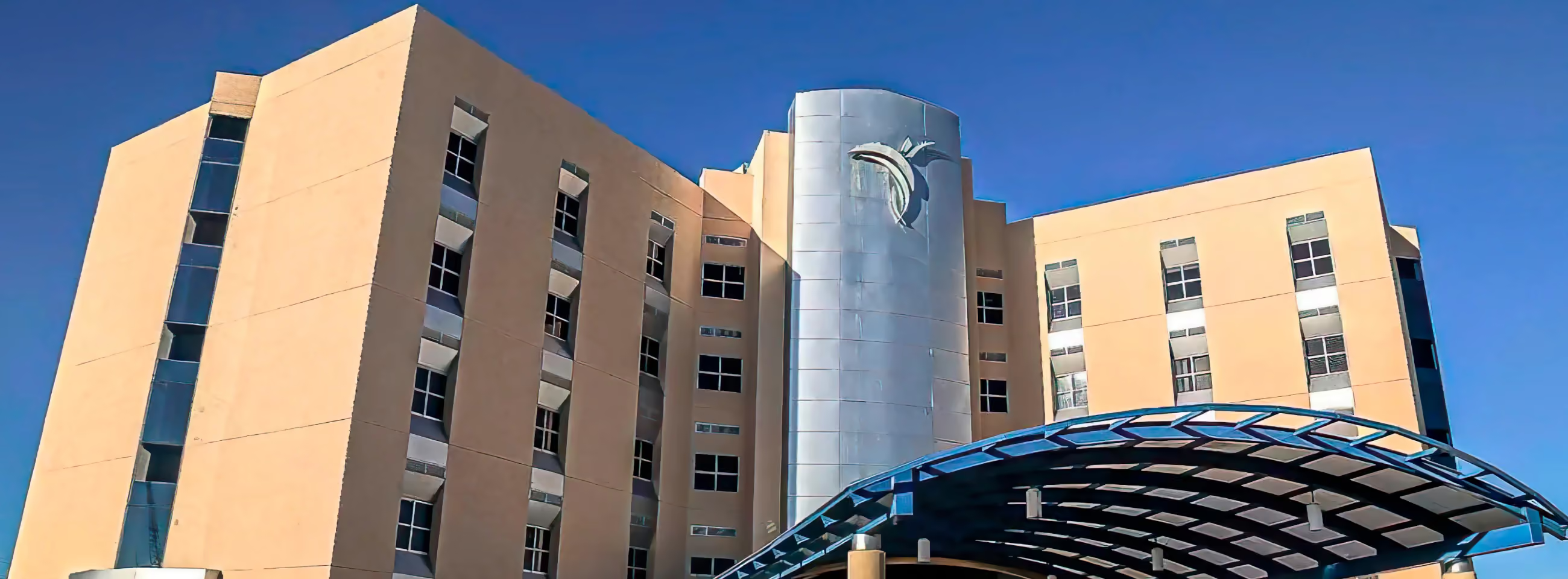
Torre Médica sees a 19% increase in revenue thanks to referrals from physicians using Eden PACS
Torre Médica, with more than 25 years of experience and 3 branches in Ciudad del Carmen and Chiapas, has increased its number of patients served thanks to the satisfaction of referring physicians who prefer to receive their patients' studies digitally.
Referring physicians with immediate access to their patients' results
Eden PACS makes it easy to share medical studies instantly, which is especially beneficial when requesting second or third opinions.
“Imagine a study performed at a Torre Médica branch in the state of Chiapas reaching a treating physician in Nuevo León the very same day, with a reliable, excellent-quality image.”
Says Guillermo Arenas, deputy director of Torre Médica.
This makes studies performed at the institution even more valuable, since they can be easily shared, without compromising their quality, with medical professionals located anywhere in the world.
This approach avoids the risks associated with photographing X-ray films to share them with other specialists, since relevant diagnostic details can be lost in that process.
With Eden PACS, on the other hand, images are of exceptional quality, allowing physicians to get a clear, accurate picture of the patient's condition, which improves the efficiency and quality of the care provided. As a result, Torre Médica saw an average 19% increase in revenue, as referring physicians recommended that their patients have their studies done at its facilities.
Initial reasons behind the choice of Eden PACS
Torre Médica's approach centers on providing patients with quality medical diagnoses, going beyond simply offering X-ray films or radiography studies.
According to Torre Médica's deputy director, Guillermo Arenas, the reasoning behind choosing a PACS like Eden is based on the following points:
- Using Eden saves on film printing costs. So far, a 40% cost reduction has been achieved, with a target of reaching 50%.
- It's more practical. Many users are unaware of the care required to keep films from being damaged. Poorly handled film prevents physicians from making an accurate, reliable diagnosis.
- Keeping a clinical record with radiographic film is not easy; with Eden PACS, by contrast, everything is stored in the cloud for more than 5 years.
Torre Médica remains committed to continuous improvement and outstanding results as it continues to advance in the field of medicine and medical diagnosis.

How Grupo Santa María improved patient satisfaction by 37% after implementing Eden PACS
With more than 40 years of experience, Grupo Santa María is considered one of the most important medical centers in the central region, with a presence in the states of Hidalgo, Puebla, Tlaxcala and Estado de México. Since implementing Eden PACS, the group has served more than 25,000 patients and, in less than 6 months, expanded with 5 new branches.
The challenge: delivering superior, innovative service to patients through the digitalization of their services
With a clear expansion strategy for units and equipment to broaden its range of services to the public, Grupo Santa María made aggressive investments in new equipment in mid-2022. In this process, they chose Eden PACS as a strategic partner to improve the quality of care provided to patients through a fully digital experience.
To date, they have opened more than 5 new branches and reached a total of more than 25,000 patients who now receive their studies digitally via WhatsApp and email thanks to Eden PACS.
General Director Eddy Riquelme highlighted the rapid implementation of Eden PACS across the group's branches:
«Eden's installation process is worth highlighting: fast and simple. We managed to install seven units in a single day, which allowed us to immediately start operations with the new modalities we invested in.»
Impact of Eden PACS in the first months of use
The Eva team provided support in communicating and driving adoption of this new tool. They provided graphic materials to inform patients about the transition to digital results, manuals allowing them to access their results from any device, and webinars so that referring physicians could easily and conveniently check their patients' results at any time. This support has been essential in ensuring a successful transition toward the digitalization of Grupo Santa María's medical services.
After the first few months working with Eden, Grupo Santa María summarized its main benefits in 4 points:
- Patient satisfaction. Patients no longer need to return to pick up their results in physical format, since they can access and share them instantly with their treating physicians. A recent survey showed a 37% improvement in patients' perceived quality-of-care rating.
- Reliability. Not a single incident or technical failure. Being reliable is essential in the medical field.
- Technological innovation. Eden offers a user-friendly viewer with advanced diagnostic tools that work flawlessly at all times. This gives physicians access to cutting-edge technology to improve their diagnoses and treatments.
- Flexibility. New product updates have simplified and streamlined administration, eliminating the complex data and information management issues previously faced.
Aligned from the ground up in their values, Eden and Santa María have shared the most important objectives, focusing on the end customer experience as the top priority.

Grand Hospital Roma reduces its operating costs by 40% by completely eliminating film-based result delivery
Grand Hospital Roma, a leading medical institution in Mexico City, has focused on delivering high-quality medical services. With more than 1,000 studies per month at its main branch, the hospital has chosen to expand by investing more than 80 million pesos in state-of-the-art medical infrastructure. In its constant pursuit of excellence, Grand Hospital Roma has made a strategic decision that has transformed its operations and generated significant benefits.
With the goal of offering exceptional diagnostic quality and optimizing its processes, Grand Hospital Roma decided to adopt Eden PACS, an innovative platform for improving radiological image management. This strategic change has allowed the hospital to completely eliminate the delivery of results via physical film, achieving considerable savings of 40% in recurring operating expenses.
“Since we started using Eva, we sold our film printer, and result delivery is now completely digital.”
Dr. Ricardo Rodríguez, medical director.
Impact of eliminating radiological film use by 100%
By adopting Eden PACS, Grand Hospital Roma achieved a radical transformation in its approach to result delivery. By eliminating physical film, the hospital avoided the costs associated with its acquisition, maintenance and delivery, as well as spending on envelopes and printing equipment, which together amounted to more than 500,000 pesos per month.
In addition, the hospital has significantly reduced the time it takes to deliver results to patients. Previously, the film-based process took up to 48 hours, but thanks to the implementation of Eden PACS, results are now available within a maximum of 4 hours.
This shift to digital delivery has not only generated notable cost savings, but has also reinforced the hospital's commitment to sustainability and environmental care
Patients went from receiving their results within a maximum of 4 hours vs. the 48 hours it previously took
According to Dr. Ithamar Arroyo, head of the Radiology and Imaging department, the implementation of Eden PACS has enabled Grand Hospital Roma's medical staff to quickly access radiological images and share results efficiently with colleagues and patients.
The cloud-based platform has provided greater flexibility, since radiologists can interpret images anytime, anywhere. In addition, fast image loading and the ability to share complex cases with other specialists for a second opinion have improved the quality and accuracy of diagnoses.
Grand Hospital Roma's investment in state-of-the-art medical infrastructure, combined with the implementation of Eden PACS, has further strengthened its position as a leading institution in the field of medicine. The hospital takes pride in offering accessible, high-quality medical services, backed by cutting-edge technology and a highly trained medical team.
The 40% reduction in recurring operating costs has allowed the hospital to allocate additional resources to further improve patient care and stay at the forefront of medical innovation.

Laboratorios Durán: The Growth of a Family Business Ready to Conquer Mexico
With 52 years of experience in radiology services and 6 branches in the State of Mexico, Laboratorios Durán is another healthcare innovator that has successfully implemented Eden PACS. Gerardo Durán Arriola, Administrative Coordinator, tells us how Durán has set itself apart from competitors by putting the patient at the center of its business strategy.
Durán started out as a family business with a small laboratory in Texcoco that offered CT scans. Today they are a group of more than 6 branches with the highest level of service, powerful equipment that competes with the leading healthcare conglomerates. They offer clinical laboratory and radiology studies such as CT, MRI, X-ray, ultrasound, mammography, and bone densitometry, in addition to other specialized studies such as endoscopies, colonoscopies, and spirometries.
"We aim to have a point of contact at every branch so we can give patients immediate responses and always treat them with great human warmth, as if they were our own families." At Durán, they serve more than 150,000 patients per year from strategically located branches bordering the Northeast and Northwest areas of Mexico City.
When it comes to choosing its technology tools, Durán has two central objectives clearly in mind: empowering the patient and standardizing operational processes. To achieve operational consolidation, Eden PACS was the perfect solution for meeting these goals.
"Providing a service centered on
the patient experience is what sets us apart from the rest."
Gerardo Durán Arriola, Administrative Coordinator
Durán and its management team are currently preparing to obtain international-level certifications, and for that, formalizing and optimizing workflows is key. "For us, it is essential to standardize processes and consolidate our position so that later we can expand strongly into Mexico City and the rest of the region."

Durán Empowers Patients with Digital Solutions and Warm Service
"We know that patients are our customers. They are the ones who pay, and we want them to be the ones who decide," says Gerardo Durán, Administrative Coordinator.
One example of their commitment to patient well-being is their alliance with a group of neurologists who have long relied on Laboratorios Durán's technology and service to provide timely, reliable diagnoses to their patients. Together, they have found that taking the first steps toward a new level of innovation with Eden PACS has substantially benefited them.
With plenty of potential still to be tapped, the pandemic was key in pushing them to digitalize, since it became necessary to send results digitally beyond just email, so they started by including QR codes. From then on, they realized they needed to offer digital services of the highest quality. Having it available on WhatsApp with the best quality boosted physicians' work, since it is a timely tool, and that is what convinced them.
Just 6 months after implementing Eden PACS, Gerardo Durán reflects that choosing Eden was easy, since we share key values such as prioritizing the patient above all else and always striving to deliver the highest possible quality. "If it's not excellent, we don't like it," says the Administrative Coordinator. "Seeing the automatic sending by email and WhatsApp convinced us. It's truly a PACS that delivers a solution."

Grupo Santa María: An Example of Successful Digitalization in the Healthcare Sector
Grupo Santa María has 45 branches, 25 of which offer imaging services: X-rays, mammograms, CT scans, ultrasounds, MRIs, and bone densitometries. Since implementing Eden PACS, the group has been able to care for more than 25,000 patients and, in under 6 months, expand with 5 new branches.
With more than 40 years of experience, Grupo Santa María is considered one of the most important medical centers in the central region of Mexico, with a presence in the states of Hidalgo, Puebla, Tlaxcala, and Estado de México.
"The installation process for Eva stands out: fast and straightforward. We managed to install 7 units in a single day, which allowed us to immediately start operations with the new modalities we had invested in."
says General Director Eddy Riquelme.
Just 5 months into its relationship with Eden, Grupo Santa María made a significant leap toward digitalization in 2022, with the goal of providing the most innovative service to its patients.
Here's the story of how fast, simple transformation is possible when every party pursues the same goal: giving the patient the best possible experience.
From the start, the goal was clear: evolve toward a more digitalized and efficient operation. They looked for a tool that would first meet their need for an advanced DICOM viewer for their radiology studies: X-rays, mammograms, CT scans, ultrasounds, MRIs, and bone densitometries. And later, a tool that would help them keep expanding across the region.

"Eden PACS is a very user-friendly platform; our radiologists are very satisfied with its adoption. We can look up information easily and send it at any time."
Eddy Riquelme, General Director.
In Eden, they found the ideal solution: a platform that offered them greater flexibility to add different types of users across all 45 branches (25 of which offer imaging services), and many more advanced medical-grade features such as multiplanar reconstruction and 3D reconstruction to obtain reliable, faster-loading readings, without sacrificing the level of visual quality.
In the first month after implementing Eden PACS, Grupo Santa María processed 950 studies. By its third month of operation, that volume had grown sevenfold, reaching 7,000 studies per month on the platform.
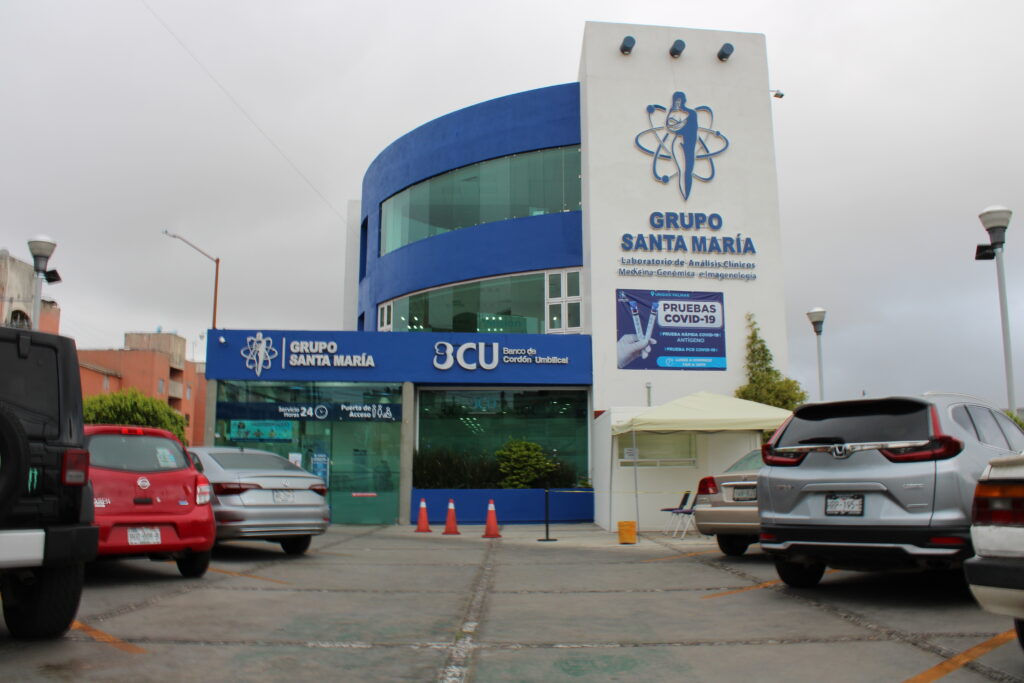
In addition to imaging, they specialize in laboratory studies: thyroid panels, tests for diabetic patients, checkups that include complete blood counts and urinalysis, and all routine tests.
By implementing cutting-edge technologies, including Eden PACS, they multiplied their monthly study volume sevenfold in just 3 months, going from 950 to just over 7,000 studies per month. Moreover, to date they have opened more than 5 new branches and reached a total of more than 25,000 patients with Eden PACS.
Grupo Santa María has a clear growth strategy in units and equipment: it is investing aggressively in new equipment, such as a next-generation MRI scanner with breast and cardiac coils, among others, as well as various imaging equipment for both current and new units, primarily CT, X-ray, and ultrasound.
Across all its branches, more than 6,000 studies were performed monthly, a volume that clearly falls short compared to the new figures. Great things are therefore projected for 2023.
These major advances demonstrate the complete success and radical growth that can be achieved by integrating Eden PACS into a medical application ecosystem.
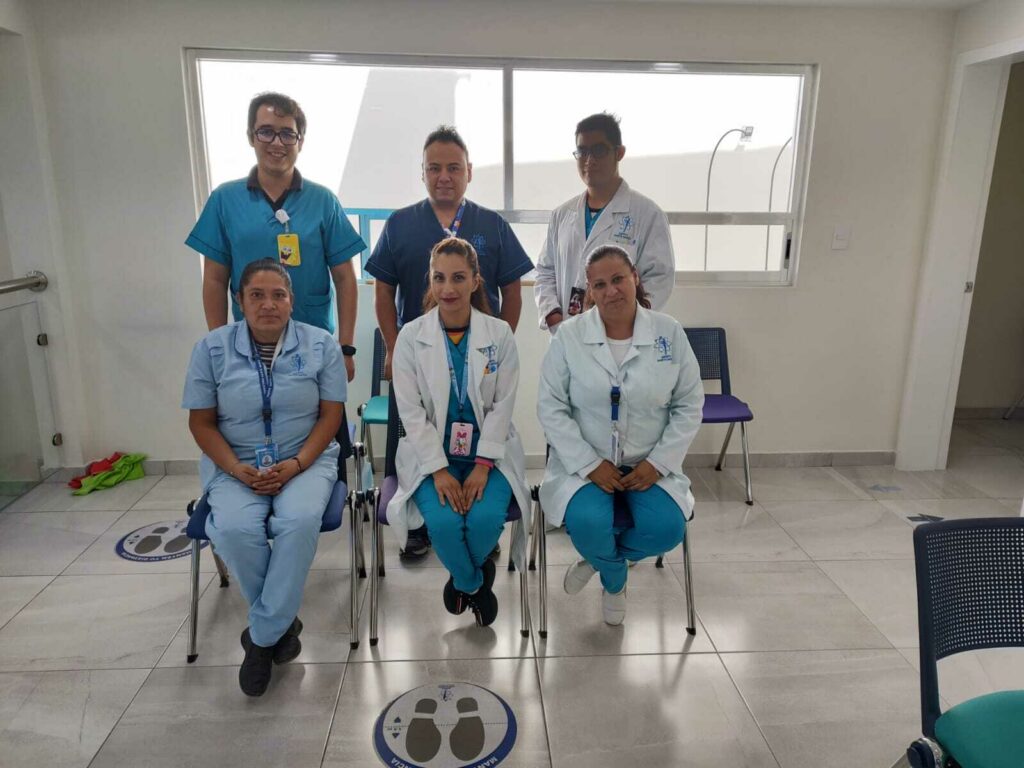
How a Successful and Fruitful Alliance with Eden Was Achieved
Aligned from the ground up in values, Eden and Santa María have shared the most important goals, focusing on the end customer experience as the top priority:
- Kind, respectful, and empathetic service
- Technological innovation for reliable results
- Teamwork and a spirit of solidarity
- Safeguarding the well-being of the entire community
According to the director of Grupo Santa María, the main benefits of Eden are:
- Reliability. Not a single incident or technical failure. Being reliable is essential in the medical sector.
- Technological innovation. It is a user-friendly viewer that works perfectly at all times.
- Flexibility. With the new product updates, all administration will become simple and easy, unlike the complex data and information management problems they face today.
In summary, the Grupo Santa María case confirms that technology is nothing without the right vision and attitude. When a laboratory sets out a solid growth strategy and a clear digitalization plan, the results of a commercial and technological alliance like the one they have with Eden will be far more notable and will bear fruit from the very first day of use.
%252520vf%2525202600%252520x%2525201149.avif)
What Is HIPAA Security? (The HIPAA Law)
We analyze what this HIPAA law entails, which ensures the protection of medical data and information. We will look at how it adapts to current needs when sharing confidential information through digital channels.
The digital era increasingly envelops the world. An important element of this new reality is the security of the information sent across different networks. This becomes even more important when it comes to confidential content, which must remain exclusively in the hands of experts, as is the case with patient information.
This information is governed by the provisions of the HIPAA law. When a PACS system is implemented to manage and store clinical images, one of the goals is for these studies to be transmitted through communication networks to various operational areas of a healthcare facility, through intrahospital networks, with other physicians, and with patients themselves.1 An important point in this exchange of information is that it be done securely.
How Do PACS Systems Guarantee Security?
In pursuit of this security, PACS systems for medical images commonly work with two network systems that make it possible for these studies to be handled with privacy, integrity, and authenticity. The first system corresponds to the connections shared with the hospital's Central Network Authority (CNA), which has its own regulations, maintenance, and management.2
The second system is the PACS network itself, in which cables and terminals are also safeguarded in hubs that support information security. Only authorized personnel working with these systems and medical specialists can access the medical images backed up by the software, ensuring control over the use and exchange of information.2
But who oversees compliance with the proper management of medical images?
Preventing the leakage and manipulation of information can be complex, and this is why HIPAA, the Health Insurance Portability and Accountability Act, was created in the United States. This law seeks to protect and secure patients' healthcare information so that it can be disclosed to interested parties, by enforcing a series of requirements on healthcare facilities.2
Now, the DICOM standard used for medical images across different modalities also establishes security criteria for information exchange policies.2
For all these reasons, when choosing a PACS system, make sure it complies with HIPAA.
What Requirements Does HIPAA Specify?
Some of the most important requirements established by this law for the secure communication of medical information are:
- All patients undergoing medical studies have the right to see their results and obtain a copy of them. The medical history must also be made available to assess the progression of a condition.3
- Professionals with legal certification can access patients' medical information for the purpose of making diagnoses and decisions regarding them.3
- Every healthcare professional working at a facility in this sector must know the institution's policies for ensuring the confidentiality of its patients.3
- Commercializing patient information is a crime carrying significant legal penalties (criminal and civil)4 and is prohibited. This information may only be shared with the healthcare facility's internal staff3 in order to respond to the patient.
It is worth noting that in certain cases, disclosure of information may be required without the patient's authorization, for example in the case of a contagious condition, incidents of violence or abuse, when organ donations are required, or when the law warrants it.4
How Can a Healthcare Facility Comply with HIPAA?
HIPAA's main requirements are quite precise, but they do not impose a single way of guaranteeing the confidentiality of patients' data and studies. What matters is that each healthcare facility create standards that protect this information, including clinical images, so that they are not altered or disclosed to unauthorized individuals.4
To achieve the above, it is essential that every medical facility use systems sufficiently protected against cyberattacks or the misuse of electronic data (even through carelessness) that could leak confidential information.
This is why quality PACS systems comply with these HIPAA guidelines.
Does Eden PACS Comply with HIPAA?
Among the benefits of Eva PACS for the management, transmission, and cloud storage of radiological images is the full guarantee of electronic security protocols and confidential data protection.
Eden PACS complies with the electronic requirements of the HIPAA law. As an added value, patients will also be able to securely access their studies through digital channels. Finally, only authorized personnel will have access to patient information within the Eva system.
References
1 Centro Nacional de Excelencia Tecnológica en Salud (National Center for Technological Excellence in Health) (2009). Systems for image archiving and communication. Mexico, Secretaría de Salud (Ministry of Health).
2 Huang, H. K. (2004). PACS AND IMAGING INFORMATICS BASIC PRINCIPLES AND APPLICATIONS. University of California, Los Angeles. P.: 691
3 Merck Manual. Confidentiality and HIPAA (Health Insurance Portability and Accountability Act in the United States). Retrieved from https://www.merckmanuals.com/es-us/hogar/fundamentos/asuntos-legales-y-%C3%A9ticos/la-confidencialidad-y-la-hipaa-ley-de-portabilidad-y-responsabilidad-de-seguros-de-salud-en-estados-unidos 4 Centers for Disease Control and Prevention. Health Insurance Portability and Accountability Act of 1996 (HIPAA). Retrieved from https://www.cdc.gov/phlp/publications/topic/hipaa.html

What Is a PACS Workstation Used For?
PACS workstations have gradually become indispensable equipment for radiology and imaging departments.
PACS (picture archiving and communication system) emerged as an effective technological response to the difficulty of managing the growing volume of information from clinical imaging studies.
As the name indicates, the main advantage of these systems lies in their image storage and communication functions. PACS enables better management of medical information and, consequently, significantly improves the productivity of the medical institution.
In this sense, the main objectives of any PACS system are: the capture, transmission, and storage of medical images. But none of this is possible without a PACS workstation (also known as a PACS Workstation), which plays a fundamental role in the entire system. Let's take a closer look at what it involves.
How a PACS Workstation Works
A PACS workstation gives the user complete management of the database, since it provides the platform with the ability to import studies, copy information onto any compatible portable storage device, and send and receive studies from other PACS systems, manage study information, among many other functions.
The main advantages of a PACS workstation are:
- Independence. It is independent of the main console, which allows for an uninterrupted flow of patient care.
- Reprocessing. It allows reprocessing of raw DICOM data, acquired through various modalities, providing access to advanced image processing functions and options.
- Remote operation. It allows diagnosis and interpretation of acquired images remotely.
Regardless of the image acquisition method, images will be available on the server in DICOM format, from which they can be printed or evaluated in the diagnostic viewer or on the unit's workstation.
Through the network, it is also possible to store them and send them to other facilities, as well as view them online.
What a PACS Workstation Should Offer
A good PACS system offers various advantages that should be considered when choosing a system. Some of these are:
- Compatibility with all diagnostic modalities and imaging studies: X-ray, MRI, CT, ultrasound, mammography, angiography, and fluoroscopy, among others.
- Intuitive software with tools that facilitate diagnosis.
- Security. Data is stored locally on a highly reliable and secure server, backed up automatically via hard drives.
Ideally, one should also have cloud storage for greater security, and also as a way to recover data in the event of any accident or mechanical failure that may occur.
- Management options. Regarding permissions and access control to information, these are fully manageable for all users, and a complete log of all activity in the PACS system is also provided.
Reporting Tools
Additionally, the PACS workstation provides access to an integrated reporting tool that allows reports to be written, or even dictated, directly and securely into the PACS system.
This undoubtedly streamlines working time, since the report is automatically completed with the information from the selected study.
The option to report on the go is also available, thanks to tools such as speech-to-text software.
Universal Web Viewer
Another element of the PACS workstation is the built-in DICOM viewer, which guarantees access at any time and from any place to medical images and reports, from any browser or operating system.
Whether from the comfort of home, through a laptop or tablet, it is possible to access the required studies or reports.
In this way, physicians and system users can access images from any PACS workstation, thus expanding its reach and accessibility. This also makes teleradiology possible.
It offers the user advanced visualization tools, as well as annotations and measurements.
An Eva PACS representative can give you a free demonstration so you can discover a practical, simple, and effective solution for optimizing workflows and increasing productivity.
References

What Is Cloud Storage for a PACS System and How Does It Work?
We present a revolutionary option for storing your medical images and reports securely and without limits in the cloud through PACS systems.
Cloud storage is a computing service that allows data to be stored and processed through a network of interconnected servers.
In this sense, cloud storage is a type of storage that provides external safekeeping of data. This system is maintained by a third party, generally on physical servers that may be located in one or several places.
This means information can be stored without risk of loss in a remote database, which can be accessed at any time and from anywhere, provided there is an internet connection. The cloud replaces hard drives and other types of external storage, which carry risks such as data loss, as well as taking up physical storage space.
Cloud Storage for PACS Systems
PACS is an image storage and distribution system that electronically safeguards the images and reports of radiological studies.
When these systems first came into use, PACS storage was typically divided into two types: online and historical.
- Online. This is short-term storage that holds the information for studies already performed. These images are usually available on the device for immediate use for periods of up to 15 days. After this time, the information moves to historical storage.
- Historical. This is long-term storage that lasts approximately thousands of days. Generally, a period of several hours is needed to retrieve the files one wishes to consult.
Nowadays we can talk about cloud storage for a PACS system, which basically means that the information is hosted on cloud-based servers. In other words, the storage PACS provider takes care of saving and storing the data.
Basically, all that is needed is an internet connection, and some providers may also offer a local server. A PACS system user will send copies to the server from a computer subscribed to the service, where the information is registered and can later be accessed.
In this way, cloud storage for a PACS system can be compared to some well-known services, such as Dropbox or Google Drive. The difference is that PACS systems offer a service specialized in the storage and management of medical images.
Security of Cloud Storage in a PACS System
The information stored in a PACS system's cloud storage is 100% reliable and secure. A good PACS system complies with certain cybersecurity standards, as well as patient data protection standards (such as the HIPAA regulation).
A combination of techniques is used to protect the data, including:
- Encryption. This consists of a series of algorithms used to effectively encode the information.
- Authentication processes. The system user is required to create an account protected by a password.
- Authorization. The PACS system allows the administrator to list the people who will be authorized to access the information stored in the cloud.
Advantages of Cloud Storage for a PACS System
These are some of the benefits worth pointing out about using cloud storage for a PACS system:
- More storage. Due to their resolution and the use of advanced equipment, medical images are quite large, but this is no longer a problem since storage is unlimited (depending on each PACS provider's capabilities).
- Easy access to images. Medical images can be viewed more quickly and easily. Radiologists can interpret studies from inside or outside the hospital or clinic, as long as they have an internet connection.
- Low cost. Cloud storage represents savings compared to other storage methods, such as the traditional archive of radiological film.
The cloud storage of a PACS system is an excellent solution when managing a large volume of files and data. Simply consider that in the event of physical damage or the loss of hard drives or computer equipment, it is not possible to recover the information. Cloud storage, on the other hand, keeps the information secure, since it allows the system to be hosted off-site, with experts safeguarding the information.
References
- How Cloud Storage Works. How Stuff Works.
- Systems for image archiving and communication (PACS). CENETEC, SALUD (Mexico's Ministry of Health). November 2009. Mexico.
- Benefits of cloud computing for PACS and archiving. Koch P. Benefits of cloud computing for PACS and archiving. Radiol Manage. 2012 Mar-Apr;34(2):16-9; quiz 21-2. PMID: 22514969 .
No papers match your search.